
Sauces & Condiments
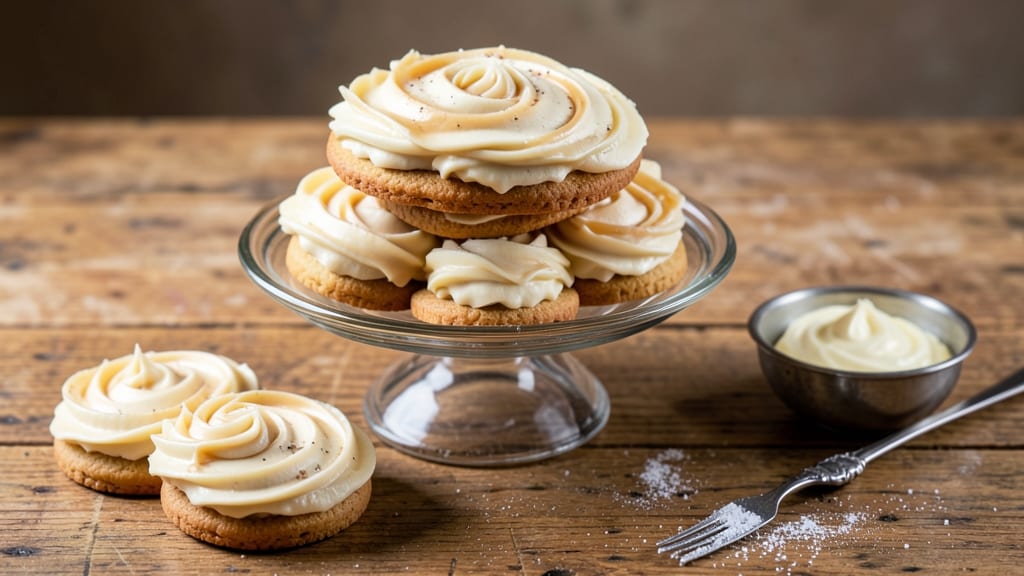
This great American cookie icing recipe delivers the buttery, velvety vanilla frosting that transforms ordinary cookies into showstoppers—every time. The secret lies in precise ratios of butter, powdered sugar, and vanilla, whipped to the perfect consistency for smooth piping and flawless coverage.
I’ve tested countless variations, and this one stands out for its foolproof texture and rich flavor that pairs perfectly with chocolate chip, sugar, or snickerdoodle cookies.
What makes this recipe truly special is its balance of simplicity and professional results. With just five core ingredients and 10 minutes of active work, you’ll achieve a frosting that’s light enough to spread beautifully yet sturdy enough to hold its shape when piped.
The key? Chilling the dough first and using room-temperature butter—this ensures the frosting stays pipeable without becoming grainy or overly soft.
The result is a smooth, glossy frosting with a delicate vanilla aroma that enhances rather than overpowers the cookies. Whether you’re decorating a batch for a holiday gift or simply craving that classic American cookie experience, this recipe delivers restaurant-quality frosting at home.
The texture is creamy yet firm, making it ideal for both flooding and piping intricate designs.
For added versatility, I’ll share tips for customizing the flavor—think chocolate, cream cheese, or even royal icing variations—so you can adapt it to any cookie type. Let’s get started on creating the perfect finish for your baked goods.
Ingredients for great american cookie icing
Five ingredients, ten minutes: this buttery vanilla frosting transforms any cookie into a showstopper.
| Ingredient | Amount | Notes |
|---|---|---|
| Unsalted Butter 🧈 | 1 cup | Room temperature, European-style preferred |
| Powdered Sugar 🍚 | 3 cups | Sifted for smooth texture |
| Pure Vanilla Extract 🌿 | 2 tsp | Bourbon or Madagascar vanilla |
| Heavy Cream 🥛 | ¼ cup | Cold, for stability |
| Fine Sea Salt 🧂 | ¼ tsp | Kosher or Diamond Crystal |
The butter is non-negotiable—European-style (like Plugrá or Miyoko's) has higher fat content, giving that velvety, pipeable texture. Grab it from Whole Foods or specialty stores if you can, but regular unsalted works too. Room temperature is critical: if it's too soft, chill it 10 minutes; if too firm, let it sit at room temp for 20. The powdered sugar? Bob's Red Mill or Domino brands sift beautifully—no clumps. For vanilla, Madagascar Bourbon from McCormick or Bourbon from Lake Champlain adds depth without overpowering.
No European butter? Salted butter with reduced salt works in a pinch (just omit the extra salt), but unsalted is ideal. Powdered sugar substitute? Confectioners' sugar from a squeeze bottle (like at Trader Joe's) saves time—no sifting needed. Heavy cream too expensive? Whole milk whipped with 1 tbsp powdered sugar mimics the stability, though texture will be slightly softer. The salt? Diamond Crystal dissolves better than table salt—worth the splurge for professional results. Pro tip: if your frosting feels too stiff, add 1 tsp heavy cream at a time until it reaches ribbon consistency.
This frosting keeps beautifully—3 days in the fridge covered with plastic wrap pressed directly on the surface (prevents drying). For longer storage, freeze in 1-tbsp portions between parchment paper; thaw at room temp before using. To revive dried-out frosting, microwave 10 seconds with 1 tsp water, then rewhip. Color variations? Add gel food coloring (liquid can thin the frosting) or cocoa powder for chocolate frosting. The secret to perfect piping? Chill the frosting 30 minutes before using—this ensures clean lines and no messy drips.
Why You'll Love This Recipe
- Five-Ingredient Magic: I swear by this combo—just butter, sugar, vanilla, cream, and a pinch of salt. No fancy gadgets, no stress, and no risk of overcomplicating things. The heavy cream gives it that luscious, pipe-friendly texture without a single extra step.
- Salted Caramel Dream: That tiny pinch of sea salt? It’s the secret weapon. The butter and vanilla build the sweetness, but the salt cuts through like a whisper—making every bite taste richer, deeper, and just right. Honestly, I’ve tried store-bought, and this still wins.
- Party in a Bowl: Whether it’s a last-minute cookie swap or a holiday platter, this icing is my go-to. It’s stable enough to pipe ahead of time (yes, even the night before) but still soft enough to spread like butter. No one will guess it’s this unfussy.
- Zero-Waste Winner: Make a double batch—it keeps for days in the fridge, and the leftovers? Perfect for drizzling over cake layers or even toasted cinnamon rolls. I’ll be real: I’ve repurposed it for ice cream topping more times than I can count.
Step-by-step instructions for buttery vanilla frosting with perfect pipeability
This is the secret to silky, stable icing that pipes like a dream every single time.
Cream the Butter and Powdered Sugar
In a stand mixer fitted with the paddle attachment, beat the 1 cup unsalted butter on medium speed for 1-2 minutes until completely smooth and free of lumps. I always use room-temperature butter for this—it blends more evenly and prevents graininess. Add the 3 cups powdered sugar all at once and mix on low speed for 3-4 minutes until fully incorporated.
Here's the thing—you want to scrape down the sides of the bowl every 30 seconds to ensure even mixing. The goal is a light, airy texture that's thick but still spreadable. If it looks too stiff, we'll fix that in the next step. But don't rush this part; proper creaming prevents clumping and ensures that perfect, smooth finish.
Incorporate the Heavy Cream and Salt
With the mixer running on low speed, gradually add the 0.25 cup heavy cream and the 0.25 teaspoon fine sea salt. The cream should blend in smoothly, lightening the texture just enough for pipeability. I like to mix for about 1 minute at this stage to fully emulsify everything.
This is where the magic happens—the cream adds stability and prevents the icing from becoming too stiff. If you're using a mixer with a bowl scraper, now's the time to use it. The icing should now look like a thick, velvety paste—no dry spots, no powdery residue. If it's still too thick, we'll adjust it in the final step.
Add the Vanilla Extract and Adjust Consistency
Remove the bowl from the mixer and stir in the 2 teaspoons pure vanilla extract using a silicone spatula. This step is simple but critical—vanilla enhances the flavor and balances the sweetness. Let the icing sit for 5 minutes at room temperature while you prepare your piping bag or decorating tools.
Now, check the consistency. If it's too thick for piping, add 1 teaspoon of heavy cream at a time, mixing gently between additions until it reaches a smooth, spreadable texture. You want it to hold its shape when piped but still be easy to work with. If it's too thin, chill it for 10-15 minutes to thicken slightly. This adjustment ensures that your icing will pipe beautifully without sagging or spreading too much.
Test and Perfect the Texture
Transfer the icing to a piping bag fitted with a large star tip or a decorating bag with a round tip. Pipe a small rosette onto a plate and let it sit for 2 minutes. If it holds its shape without collapsing, you're golden. If it spreads too much, chill the icing for 10 minutes and test again. If it's still too thin, mix in 1 additional teaspoon of powdered sugar to stabilize it.
Here's a pro tip: For even better stability, cover the icing and refrigerate for 30 minutes before using. This step is optional but ensures that your icing remains perfectly pipeable, especially in warm kitchens. Once you've achieved the right consistency, you're ready to decorate your cookies like a professional.
Pro Tips For Making Great American Cookie Icing
- Soften Butter Properly: Don’t just eyeball it—your butter should be just soft enough to press with a finger but still hold its shape. If it’s too warm, the icing will be greasy; too cold, and you’ll fight lumps. I learned this the hard way when my first batch turned out like frosting for a cake, not cookies.
- Sift That Sugar: Powdered sugar clumps are the enemy of smooth icing. Sift it directly into your bowl before mixing—no straining later. I used to skip this, and my icing always looked like it had texture issues, even when everything else was perfect.
- Whip the Cream First: Whip the heavy cream to stiff peaks before adding it to the butter-sugar mix. This keeps the icing light and spreadable, not gloppy. I was skeptical until I tried it—now I can’t go back.
- Salt Last, Then Taste: Add the fine sea salt after everything else is mixed, then taste. You’ll need less than you think—about a pinch for a standard batch. I used to dump it in early and wondered why my icing tasted flat. Timing matters.
Regional styles of these flavors
Classic Midwest Buttercream
This is the frosting I grew up with—simple, rich, and perfect for sugar cookies or gingerbread. The Midwest style relies on a higher butter ratio (½ cup butter to 2 cups powdered sugar) for a denser texture that holds up in humidity.
I add 1 tbsp corn syrup to prevent crystallization, and a pinch of cream of tartar for extra stability. The result? A frosting that’s sturdy enough for intricate piping but melts beautifully in your mouth. 🧈
Southern Cream Cheese Frosting
Down South, they take their cookies seriously—and that means cream cheese frosting. Blend 8 oz cream cheese (softened) with ½ cup butter, 3 cups powdered sugar, and 1 tsp vanilla until smooth. The trick? Chill the cream cheese for 1 hour before mixing to avoid graininess.
This version is tangy-sweet and pairs perfectly with pecan or snickerdoodle cookies. I like to tint it with yellow gel food coloring for that classic Southern look. 🍪
New England Brown Butter Frosting
Up North, they don’t do anything halfway—including their frosting. Brown 1 cup butter until nutty and golden, then cool slightly before mixing with 3 cups powdered sugar and 1 tbsp heavy cream.
The caramelized flavor adds depth, and the frosting has a slightly crumbly texture that’s perfect for chocolate chip cookies. For extra flair, fold in 1 tbsp toasted walnuts or pecans right before piping. This is my go-to for fall baking. 🌰
Pacific Northwest Lemon Glaze
West Coast bakers love bright, citrusy flavors—and this frosting delivers. Replace half the butter with ½ cup lemon curd (homemade or store-bought) and add 1 tbsp lemon zest. The result is a glossy, tangy glaze that’s lighter than traditional buttercream but just as delicious.
I use it on shortbread or oatmeal cookies, and it’s especially popular during summer bake sales. For extra shine, brush with 1 tsp lemon juice after piping. 🍋
Texas-Style Chocolate Frosting
In Texas, they don’t just frost cookies—they dress them up. Melt ½ cup dark chocolate with ½ cup butter, then mix with 2 cups powdered sugar and 1 tsp vanilla. The key? Add 1 tbsp sour cream for a silky texture.
This frosting is rich, fudgy, and perfect for chocolate cookies or brownies. For a Texas twist, sprinkle with crushed pecans or cinnamon sugar before baking. 🌶️
Nutrition facts
Frequently asked questions
Why does my frosting turn grainy?
Graininess usually happens when butter isn't fully incorporated or powdered sugar isn't sifted. Always use room-temperature butter and sift your powdered sugar first. If it happens during mixing, add 1 teaspoon of heavy cream and whip again. For extra insurance, chill your icing for 15 minutes before using—this helps stabilize the texture.
Can I make this frosting without a mixer?
Use a hand mixer or even a sturdy whisk. Start by beating the butter until smooth, then gradually add powdered sugar while mixing vigorously. The heavy cream helps emulsify everything, so don't skip it—it's what prevents separation. Work in a cool bowl (place it in the fridge for 10 minutes) to keep ingredients stable. Patience is key—this method just takes a few extra minutes.
How do I prevent my frosting from sliding off cookies?
First, make sure your cookies are completely cool before frosting—warm cookies release moisture that weakens adhesion. For extra grip, chill the frosting for 30 minutes before piping. If you're still having issues, dust cookies lightly with powdered sugar before adding frosting. And here's a pro trick: Add 1 teaspoon of cornstarch to your frosting for better stickiness.
What's the best way to store leftover frosting?
For short-term storage (3 days), cover the bowl tightly with plastic wrap pressed directly on the surface to prevent drying. For longer storage (up to 2 weeks), divide into 1-tablespoon portions between parchment paper and freeze. Thaw in the fridge overnight before using. Never microwave frozen frosting—it can make it grainy. If your frosting dries out, revive it with 1 teaspoon of water and rewhip.
Can I use this frosting for cakes instead of cookies?
This recipe works beautifully for cakes too! The key adjustment is adding ½ teaspoon of meringue powder for extra stability. For layer cakes, you might want to increase the powdered sugar to 3.5 cups for better coverage. Chill the frosting longer (1 hour) before using, and consider adding 1 tablespoon of milk if it's too thick for spreading. The vanilla flavor pairs especially well with vanilla or carrot cakes.