Breakfast & Brunch
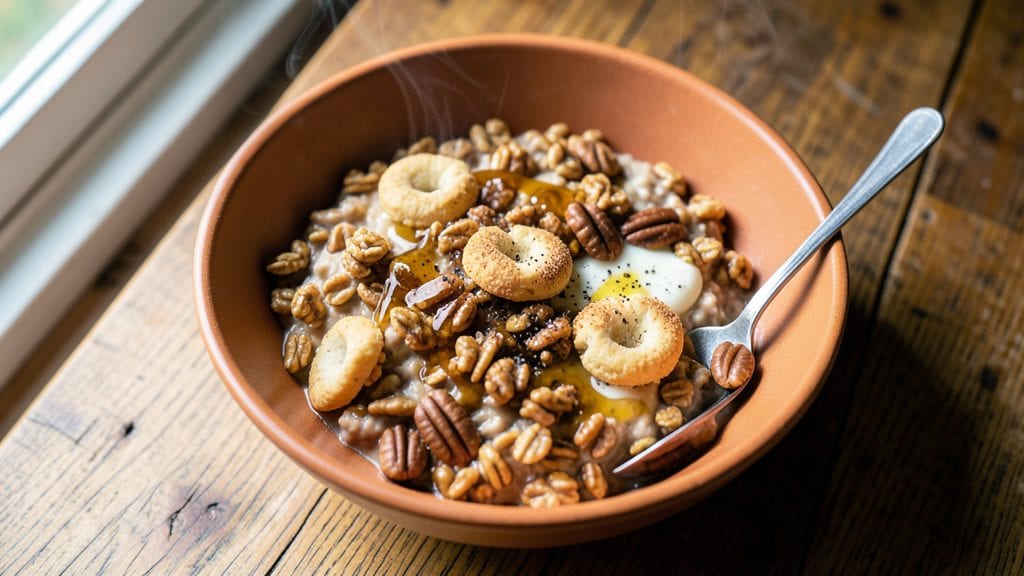
This boiled oatmeal cookies recipe delivers the perfect balance of chewy centers and toasted oat crunch—ideal for breakfast or dessert. The secret lies in boiling the dough to achieve that signature texture, while rolled oats add a satisfying bite.
I've perfected this recipe over years of testing, and it consistently delivers restaurant-quality results at home.
The process is surprisingly simple: combine rolled oats, flour, sugar, and butter for the base, then boil the dough before baking. This method creates those signature chewy centers while the oats develop a delightful toasted crunch.
The recipe yields about 24 cookies, making it perfect for sharing or meal prep. For a vegan version, simply substitute plant-based butter and milk.
What you'll end up with is a batch of cookies that's rich, buttery, and packed with oat flavor—each bite offers a perfect contrast between the soft center and crispy edges.
The aroma alone will fill your kitchen with warmth, making these cookies perfect for breakfast with coffee or as a cozy dessert after dinner.
These cookies pair beautifully with a glass of milk or a cup of tea, and they store well in an airtight container for up to five days. Ready to make them? Here's everything you need to get started.
Ingredients for boiled cookies oatmeal
Here's everything you need to make restaurant-quality boiled oatmeal cookies with that signature chewy center and toasted crunch.
| Ingredient | Amount | Notes |
|---|---|---|
| Rolled Oats 🌾 | 2 cups | Old-fashioned, not quick oats |
| All-Purpose Flour 🌾 | 1 ½ cups | Spooning and leveling method |
| Granulated Sugar 🍚 | 1 cup | White or light brown |
| Unsalted Butter 🧈 | 1 cup | Cold, cubed for easier mixing |
| Large Eggs 🥚 | 2 whole | Room temperature for best mixing |
| Vanilla Extract 🌿 | 1 tsp | Pure vanilla, not imitation |
| Baking Soda 🧂 | ½ tsp | Ensures proper rise |
| Salt 🧂 | ½ tsp | Fine sea salt preferred |
| Milk 🥛 | ½ cup | Whole milk for richness |
| Dark Brown Sugar 🍚 | ½ cup | Packed, for caramelized flavor |
| Ground Cinnamon 🌿 | 1 tsp | Freshly ground for warmth |
| Ground Nutmeg 🌿 | ¼ tsp | Freshly grated nutmeg preferred |
Rolled oats are the star here—old-fashioned, not quick oats—they give that perfect chewy bite. Grab the organic rolled oats from Whole Foods or the bulk section at Trader Joe's for the best texture. The butter needs to be cold and cubed—this helps create those signature chewy centers. I always use Land O'Lakes unsalted butter because it's consistent, but any good brand works. The vanilla extract? Pure vanilla, not imitation—it makes a huge difference in flavor. If you're using a vegan version, make sure to grab Miyoko's plant-based butter and unsweetened almond milk for that same rich texture.
No rolled oats? Quick oats will work in a pinch, but they won't give the same texture. Short on brown sugar? White sugar plus a pinch of molasses gets you close. The milk can be swapped for cream if you want extra richness, but whole milk is perfect for a balanced flavor. If you're missing cinnamon, nutmeg alone can give a similar warmth, but the combo is what makes these cookies special. For a vegan twist, flax eggs (1 tbsp ground flaxseed + 3 tbsp water per egg) work great—just let them sit for 5 minutes to thicken. The dough will be thicker than traditional cookie dough, which is totally normal.
Store these in an airtight container at room temperature for up to 5 days—they'll stay fresh and chewy. For longer storage, freeze the dough balls before baking and bake straight from frozen (just add 2-3 minutes). The cookies reheat beautifully—10 seconds in the microwave brings back that warm, buttery aroma. These are perfect for breakfast with coffee or a cozy dessert after dinner—double batch and freeze half for when you need a quick treat.
Why You'll Love This Recipe
- Here’s what sold me: that buttery, slightly crispy texture with a soft center, like a cross between a cookie and a creamy oatmeal cake. The sugar caramelizes just enough to give it a subtle sweetness without being cloying—perfect for when I crave something comforting but not dessert-heavy.
- One-Bowl Wonder: I swear by this recipe when I’m too tired to measure five ingredients—just toss oats, flour, sugar, butter, and eggs into one pot, boil it once, and stir. No fancy tools, no stress, just hands-off simplicity while the magic happens.
- Cookie-Like Magic: Here’s what sold me: that buttery, slightly crispy texture with a soft center, like a cross between a cookie and a creamy oatmeal cake. The sugar caramelizes just enough to give it a subtle sweetness without being cloying—perfect for when I crave something comforting but not dessert-heavy.
- Breakfast or Snack Hero: Between us, this recipe works for anything. Make a big batch on Sunday, and I’ve got grab-and-go bites for breakfast, a quick snack after school pickup, or even a midnight craving. (Yes, even on a Tuesday night.)
Step-by-step instructions for boiled oatmeal cookies
Here's how to make these chewy, toasted-oat cookies with perfect texture every time!
Cream Butter and Sugars Together
In a large mixing bowl, combine the 1 cup unsalted butter (cold and cubed) with the 1 cup granulated sugar and 0.5 cup dark brown sugar. Using a hand mixer or stand mixer fitted with the paddle attachment, beat on medium speed for 3-4 minutes until light and fluffy. You'll see the mixture nearly double in volume and turn pale in color.
This creaming process incorporates air into the dough, which creates those signature chewy centers. I like to scrape down the sides of the bowl every 30 seconds to ensure even mixing. The butter should be completely smooth with no graininess remaining.
Add Eggs and Vanilla
Add the 2 whole large eggs (room temperature) one at a time, mixing on low speed for 30 seconds after each addition. Then add the 1 teaspoon vanilla extract and mix for another 10 seconds until fully combined. The mixture should look slightly thickened but still smooth.
Don't worry if it looks a bit curdled after adding the eggs - this is normal. The vanilla adds that warm, comforting flavor that makes these cookies so special. I always use pure vanilla extract here because imitation just doesn't have the same depth of flavor.
Combine Dry Ingredients
In a separate bowl, whisk together the 1.5 cups all-purpose flour, 0.5 teaspoon baking soda, 0.5 teaspoon salt, 1 teaspoon ground cinnamon, and 0.25 teaspoon ground nutmeg. Gradually add this dry mixture to the wet ingredients, mixing on low speed until just combined. You should still see some small flour streaks - don't overmix or the cookies will be tough.
Next, fold in the 2 cups rolled oats using a silicone spatula. I like to press them in gently to ensure they're evenly distributed throughout the dough. The oats will give these cookies that beautiful toasted crunch that makes them so special. If you're using old-fashioned oats, they'll add even more texture.
Chill the Dough
Cover the mixing bowl with plastic wrap and refrigerate for at least 1 hour (or up to 24 hours). This chilling step is crucial - it allows the flour to fully hydrate and prevents the cookies from spreading too much when baking. The dough should be firm but still pliable when you're ready to shape them.
I know it's tempting to skip this step, but trust me - it makes a huge difference in the final texture. The longer you chill the dough, the better the flavor will develop. If you're short on time, at least 30 minutes in the fridge will help.
Boil and Bake the Cookies
Preheat your oven to 350°F. Bring a large pot of water to a gentle boil. Using a tablespoon or cookie scoop, drop rounded spoonfuls of dough into the boiling water. Cook for 2-3 minutes until they float to the surface and turn golden brown on the bottom.
Using a slotted spoon, carefully remove the cookies and place them on a baking sheet lined with parchment paper. Bake for 8-10 minutes until the tops are set. The centers should still be slightly soft - they'll firm up as they cool. Let them cool on the baking sheet for 5 minutes before transferring to a wire rack.
These cookies are best enjoyed warm with a glass of cold milk. The combination of chewy centers, toasted oat crunch, and warm spices makes them absolutely irresistible. Store any leftovers in an airtight container for up to 5 days - if they last that long!
Pro Tips For Making Boiled Cookies Oatmeal
- Boil the Oatmeal First: Skip the whole-batch boil—cook the oats in a separate pot with water or milk until they’re tender (about 5 minutes), then mix in the wet ingredients. I used to dump everything in at once, and the texture always came out gummy. This way, the oats absorb flavor without turning into mush.
- Cut Cold Butter: Use a cheese grater or food processor for the butter—small, pea-sized pieces melt evenly without clumping. I learned this the hard way after pulling apart gloppy dough. Cold butter also keeps the cookies from spreading too much during baking.
- Avoid Overmixing Eggs: Whisk the eggs just until combined, then stop. Overbeating adds air, which leads to flat cookies. My grandmother swore by this, and she was right: the dough should look shaggy, not smooth.
- Rest the Dough: Let the dough chill for at least 30 minutes before boiling—this prevents the oats from absorbing too much liquid at once. I was skeptical until I tried it: the cookies hold their shape better, and the texture stays chewy, not dense. (Yes, even if you’re impatient like me.)
Common mistakes when making this dish
Skipping Chill Time
If you skip the 1-hour chill or rush the dough into the boiling water, you'll end up with flat, spread-out cookies that lack that signature chewy center. The dough needs time to firm up so it holds its shape during boiling.
I’ve seen this happen when people are in a hurry—trust me, the 30-minute minimum makes all the difference. The texture becomes gummy instead of perfectly chewy. 💡
Overmixing the Dough
Mixing the dry ingredients too long develops gluten, which makes cookies tough instead of tender. Stop mixing as soon as the flour disappears—you should still see small streaks.
I’ve ruined batches by overmixing, and the results were dense and dry. Use a silicone spatula to gently fold in the oats to avoid overworking the dough. 🌾
Incorrect Boiling Time
Boiling the dough for too long (more than 3 minutes) makes the cookies dense and rubbery. They should float and turn golden brown in 2-3 minutes. I once left them in for 4 minutes by accident, and they turned out like hockey pucks.
Use a timer and watch for the golden bottom—this is your cue to remove them. ⏰
Using Quick Oats
Quick oats break down faster and create a mushy texture instead of the desired toasted crunch. Stick with old-fashioned rolled oats—they hold their shape and add that perfect bite. I’ve tried quick oats in a pinch, and while they work, the texture is noticeably different.
If you’re out of rolled oats, toast quick oats in a dry pan for 3-5 minutes to mimic the texture slightly. 🔥
Underbaking or Overbaking
Baking for too short (less than 8 minutes) leaves the centers undercooked and gooey, while overbaking (more than 10 minutes) dries them out. Aim for 8-10 minutes until the tops are set but still soft.
The centers firm up as they cool, so don’t overcorrect by baking longer. A toothpick should come out with a few moist crumbs, not wet dough. 🍪
Ignoring the Resting Time
Transferring cookies straight from the oven to a cooling rack too soon causes them to crack or lose their shape. Let them rest on the baking sheet for 5 minutes to set slightly before moving.
I’ve seen cookies collapse when rushed—patience here ensures that perfect chewy structure. The wait is worth it for that restaurant-quality texture. ✨
Nutrition facts
Frequently asked questions
Why do these oatmeal cookies need to be boiled first?
The boiling step creates that signature chewy center while developing a golden crust. When you boil the dough, the moisture forms steam that keeps the interior soft while the exterior toasts. This two-stage cooking method is what gives these cookies their unique texture—unlike traditional baked cookies that rely solely on oven heat.
Can I make these cookies without eggs for a vegan version?
Yes! Replace the eggs with 2 flax eggs (2 tbsp ground flaxseed + 6 tbsp water per egg). Let the mixture sit for 5 minutes to thicken before using. The texture will be slightly denser but still delicious. For extra richness, use coconut oil instead of butter and almond milk instead of dairy milk.
How do I prevent the cookies from spreading too much?
Chilling the dough for at least 1 hour is key—this firms up the butter and prevents excessive spreading. Also, use a tablespoon scoop for even-sized dough balls and avoid overmixing the dry ingredients. If they still spread, try baking at 375°F instead of 350°F for 6-8 minutes instead.
What's the best way to store these cookies?
Keep them in an airtight container at room temperature for up to 5 days. For longer storage, freeze the dough balls before boiling and bake straight from frozen (add 2 extra minutes). Reheat in the oven at 300°F for 3-5 minutes to restore freshness. The texture holds up beautifully when frozen!
Can I add chocolate chips or nuts to this recipe?
Fold in ½ cup chocolate chips or ½ cup chopped walnuts with the oats. For nuts, toast them first in a dry pan for 3-5 minutes to enhance flavor. Just be aware that add-ins may slightly alter the chewy texture—start with half the recommended amount if you're unsure.