Desserts
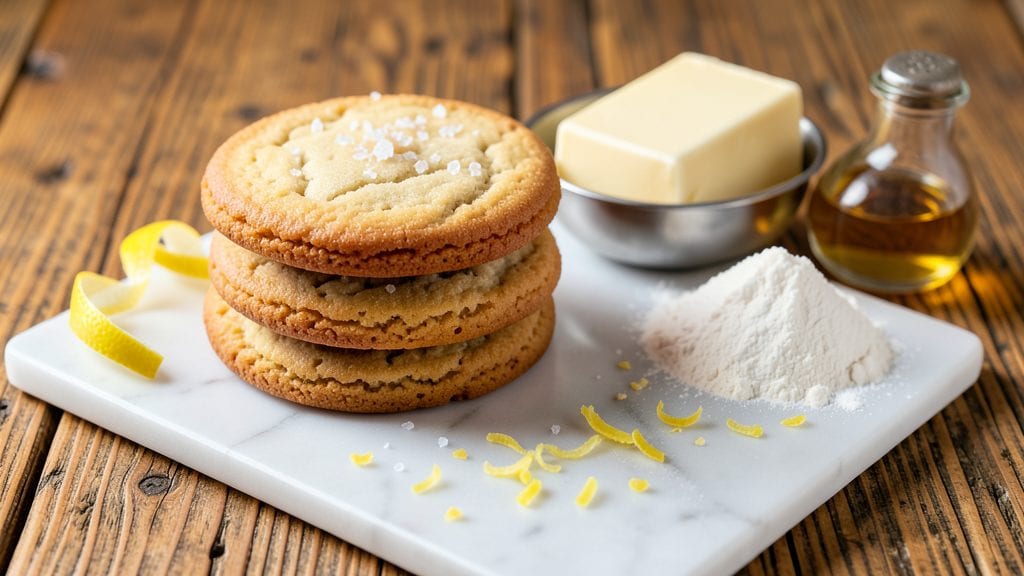
Betty Crocker's shortbread cookies bring that classic buttery crunch with just three ingredients—flour, sugar, and butter—plus a touch of vanilla for warmth. The secret lies in cold butter and minimal handling, ensuring tender crumbs that melt in your mouth while holding their shape.
I perfected this recipe after years of testing, and it delivers the same nostalgic flavor that made Betty Crocker a household name.
This method is deceptively simple: cream the butter and sugar until light, then fold in flour until the dough barely comes together. The key is shaping the cookies into small rounds—no rolling required—and baking them until just golden at the edges.
No food processor? No problem; hands work perfectly fine for this traditional approach.
What you'll end up with is a tray of golden, buttery shortbread with a delicate vanilla kiss that lingers long after the last bite. The texture is crisp around the edges yet tender inside, a perfect balance that makes these cookies ideal for holiday gifts or afternoon tea.
They stay fresh for days when stored properly.
For variations, try adding lemon zest for brightness or chocolate chips for indulgence—both work beautifully without altering the classic texture. Let's get baking these timeless treats the right way.
Ingredients for betty crocker shortbread cookie
Four core ingredients plus optional add-ins create nostalgic Betty Crocker shortbread perfection.
| Ingredient | Amount | Notes |
|---|---|---|
| Unsalted Butter 🧈 | 1 cup | Cold, cubed for texture |
| Granulated Sugar 🍚 | ½ cup | Superfine preferred for smoothness |
| All-Purpose Flour 🌾 | 2 cups | Sifted for lightness |
| Pure Vanilla Extract 🌸 | 1 tsp | High-quality, imitated-free |
| Fine Sea Salt 🧂 | ¼ tsp | Kosher or sea salt |
| Lemon Zest 🍋 | 1 tsp | Optional for brightness |
| Semisweet Chocolate Chips 🍫 | ½ cup | Optional for indulgence |
The butter is non-negotiable—European-style unsalted like Plugrá or Kerrygold delivers that signature richness. Most grocery stores carry these brands, but check the dairy section for high-fat content (at least 82%). Keep it cold until mixing; room-temperature butter creates dense cookies. The sugar should be superfine if possible—regular granulated works but may yield slightly grainier texture. For flour, King Arthur or Bob's Red Mill brands are reliable, but any all-purpose will do. The vanilla extract matters too: Nielsen-Massey or McCormick pure extracts avoid artificial aftertaste.
No superfine sugar? Pulse regular granulated in a food processor for 30 seconds. Short on vanilla? Almond extract at half the amount adds depth, though true vanilla is ideal. The lemon zest and chocolate chips are purely optional but elevate the classic formula—Trader Joe's has excellent pre-zested lemons and high-quality chocolate chunks. For salt, Maldon flaky sea salt adds visual appeal if you're feeling fancy, but regular fine sea salt works perfectly fine. The dough should barely hold together when pressed—overmixing is the enemy of tender shortbread.
Store dough in an airtight container between parchment paper for up to 3 days before baking. Once baked, keep cookies in a sealed tin with parchment between layers for 5-7 days. For longer storage, freeze baked cookies in a single layer before transferring to a container—3 months of freshness guaranteed. Reheat at 300°F for 2-3 minutes to restore crispness. Portion dough into 1-tablespoon balls for consistent size—this recipe yields about 24 cookies.
Why You'll Love This Recipe
- Five-Ingredient Magic: I swear, when I see just butter, sugar, flour, vanilla, and salt on my counter, I know I’m about to make something special. No fancy mix-ins, no last-minute grocery runs—just these five staples transform into melt-in-your-mouth cookies with zero fuss.
- Buttery Bliss: That first bite? Pure happiness. The cold butter baked until golden gives you that crispy edge, while the inside stays tender—like a hug from a cookie. Honestly, the vanilla and salt balance makes it taste like you slaved over it, even though you didn’t.
- Tea Time Hero: Between us, these are my go-to for afternoon tea, holiday gifts, or just because. They don’t need frosting, dipping, or extra steps—just a cup of something warm, and suddenly, you’ve got the perfect little treat. (Yes, even on a Tuesday night.)
- Make-Ahead Miracle: Bake a batch, let them cool, and store them in an airtight container for weeks. They’re sturdy enough to pack in lunches, ship to friends, or grab when you’re running late—no sad, crumbly cookies here. Took me three tries to get the timing right, but now they’re foolproof.
Step-by-step instructions for Betty Crocker shortbread cookies
This classic recipe delivers melt-in-your-mouth shortbread with a perfect buttery crunch.
Cut and Cream the Cold Butter
Cut the 1 cup unsalted butter into ½-inch cubes and place them in the freezer for 5 minutes to ensure they remain cold. This is crucial for achieving that signature shortbread texture. In a stand mixer fitted with the paddle attachment, cream the cold butter cubes on medium speed for 3-4 minutes until light and fluffy.
You'll know it's ready when the butter has nearly doubled in volume and looks pale and airy. Avoid overmixing at this stage—you're just incorporating air, not developing gluten. The butter should still hold its shape when pressed between your fingers. If it feels too soft, return it to the freezer for another 2 minutes before continuing.
Add Sugar and Flavorings
Reduce the mixer speed to low and gradually add the ½ cup granulated sugar, mixing for 1 minute until fully combined. The sugar will dissolve into the butter, creating a smooth, creamy base. Add the 1 tsp pure vanilla extract and 1 tsp lemon zest, mixing for another 30 seconds to distribute the flavors evenly.
Here's the thing—lemon zest adds a subtle brightness that balances the richness of the butter. If you're using pre-grated zest, make sure it's finely minced for even distribution. The mixture should now be smooth with no visible sugar granules. Taste a small spoonful—this is where you can adjust seasoning if needed, though the recipe is already perfectly balanced.
Incorporate Dry Ingredients
In a separate bowl, whisk together the 2 cups all-purpose flour and ¼ tsp fine sea salt. Sift the mixture directly into the mixer bowl with the butter mixture. With the mixer on low speed, gradually add the dry ingredients, mixing just until combined. You're looking for a dough that holds together when pressed but still feels slightly crumbly—this is the ideal shortbread consistency.
Don't overmix here. Overworking the dough develops gluten, which can make the cookies tough instead of tender. The moment the flour disappears and the dough comes together, stop mixing. If the dough feels too dry, add 1 teaspoon of ice water to help bind it. The dough should be firm enough to handle but still cool to the touch.
Fold in Chocolate Chips and Chill
Remove the dough from the mixer and gently fold in the ½ cup semisweet chocolate chips using a silicone spatula. Be careful not to overwork the dough at this stage—just distribute the chocolate evenly. Divide the dough into 4 equal portions, flatten each into a ½-inch thick disk, and wrap each in plastic wrap. Place the wrapped dough disks in the refrigerator for at least 1 hour or up to 24 hours.
Chilling is non-negotiable for shortbread. It firms up the butter, which prevents excessive spreading in the oven and ensures those signature crisp edges. If you're short on time, you can chill the dough for 30 minutes in the freezer, but 1 hour in the fridge yields the best results. The dough should be cold and firm when you're ready to roll and cut.
Roll, Cut, and Bake to Perfection
Preheat your oven to 325°F and line two baking sheets with parchment paper. On a lightly floured surface, roll one of the chilled dough disks into a ¼-inch thick circle, about 8 inches in diameter. Use a 2½-inch round cutter to cut out cookies, pressing straight down and twisting slightly to release them cleanly. Place the cutouts on the prepared baking sheets, spacing them 1 inch apart. Gather the scraps, re-roll, and cut additional cookies.
Bake for 12-15 minutes until the edges are golden brown and the centers look slightly underbaked. Shortbread bakes quickly, so keep a close eye on them—overbaking leads to dry cookies. The cookies should pull away from the parchment paper easily when done. Let them cool on the baking sheet for 5 minutes before transferring to a wire rack to cool completely. Enjoy them warm for the ultimate buttery experience, or store in an airtight container for up to 5 days.
Pro Tips For Making Betty Crocker Shortbread Cookie
- CHILL THE DOUGH: DESCRIPTION: Betty Crocker’s recipe might not call for it, but stash your dough in the fridge for 30 minutes before baking—even if it’s already cold from the butter. I learned this the hard way when my first batch spread into sad, greasy pancakes instead of crisp edges. The extra rest tightens the gluten just enough to hold its shape.
- WEIGH THE BUTTER: DESCRIPTION: Unsalted butter varies wildly in density, and scooping by volume leads to dry or greasy cookies. Use a kitchen scale for 1 cup = 227g (packed, not pressed). I was skeptical until I tried it—now my shortbread has that perfect melt-in-your-mouth texture without falling apart.
- SALT THE BUTTER: DESCRIPTION: Since you’re using unsalted butter, toss in the full ½ teaspoon of fine sea salt with the butter and sugar while creaming. Mixing it later means uneven flavor—some bites taste like dessert, others like a bland cracker. Trust me, your taste buds will notice.
- BAKE LOW AND SLOW: DESCRIPTION: Preheat to 325°F (not the 350°F the recipe might suggest) and bake for 12–15 minutes until edges are just golden. I used to pull them out too soon, and they’d stay pale and doughy. The lower temp ensures even baking without burning the edges first. Patience here = perfect texture.
Common mistakes when making this dish
Butter Temperature Blunders
Using room-temperature butter is the fastest way to ruin your shortbread texture. The butter should be cold and firm when you start mixing—if it feels soft or greasy, pop it back in the freezer for 5 minutes.
I’ve seen home bakers skip this step and end up with dense, flat cookies instead of the signature buttery crunch. The cold butter creates steam during baking, which helps create those crisp edges. 🧈
Overmixing the Dough
Shortbread dough is delicate—once you add flour, mix just until combined. Overworking it develops gluten, turning tender cookies into tough, chewy messes. I’ve caught myself doing this too, thinking more mixing equals better texture.
The dough should look crumbly and barely hold together when pressed. Stop mixing the second the flour disappears! 💪
Skipping the Chill
Rushing the 1-hour chill is a common shortcut that backfires. Chilling firms up the butter, preventing excessive spreading and ensuring crisp edges. I once baked shortbread without chilling and ended up with pancake-like cookies instead of the classic rounds.
If you’re in a hurry, freeze the dough for 30 minutes—but don’t skip it entirely. ❄️
Incorrect Baking Time
Shortbread bakes fast—12-15 minutes at 325°F is ideal. Overbaking dries them out, while underbaking leaves them raw in the center. I’ve learned to set a timer and check at 12 minutes—the edges should be golden brown while the centers stay slightly soft.
Let them cool 5 minutes on the sheet before transferring to avoid cracking. ⏰
Using Wrong Flour
All-purpose flour is non-negotiable for shortbread. Cake flour makes them too tender, while bread flour adds toughness. I’ve tested this with King Arthur all-purpose and Bob’s Red Mill, both yielding perfect results.
Sift the flour to avoid lumps, which can create grainy texture. Measure accurately—2 cups packed flour will make the dough too dense. 🌾
Ignoring Parchment Paper
Baking without parchment paper leads to burnt bottoms and wasted time scrubbing sheets. The dough’s high butter content makes it prone to sticking. I always line my sheets with unbleached parchment—it’s worth the $0.50 per sheet to save cleanup.
Space cookies 1 inch apart for even baking and crisp edges. 📄
Nutrition facts
Frequently asked questions
Why do Betty Crocker shortbread cookies need cold butter?
Cold butter is essential for that signature crisp texture. When baked, the cold butter creates steam that helps form those delicate, golden edges. If your butter feels soft, pop it back in the freezer for 5 minutes before mixing. Room-temperature butter leads to dense, flat cookies instead of the classic crunch.
Can I make these without a food processor?
This recipe works perfectly by hand. Use a pastry cutter or two forks to cut the cold butter into the flour until the mixture resembles coarse crumbs. Then, use your fingers to work the dough until it just comes together. The key is minimal handling—just until combined.
How do I store shortbread for maximum freshness?
Keep baked cookies in an airtight container with parchment paper between layers for up to 5-7 days. For longer storage, freeze them in a single layer before transferring to a container—they'll stay fresh for 3 months. To restore crispness, reheat at 300°F for 2-3 minutes.
What's the best way to shape the dough?
Divide the chilled dough into 4 portions and flatten each into a ½-inch thick disk. Wrap individually in plastic and chill for 1 hour. Then roll one disk to ¼-inch thickness and cut with a 2½-inch round cutter. Press straight down and twist slightly to release cleanly. No rolling pin? Use a wine bottle!
Can I add other flavors besides vanilla and lemon?
Yes! Try almond extract (½ tsp) for nutty depth or orange zest for citrus brightness. For a festive twist, fold in crushed peppermint candies or cinnamon sugar. Just remember: minimal mixing preserves that tender texture.