
Desserts
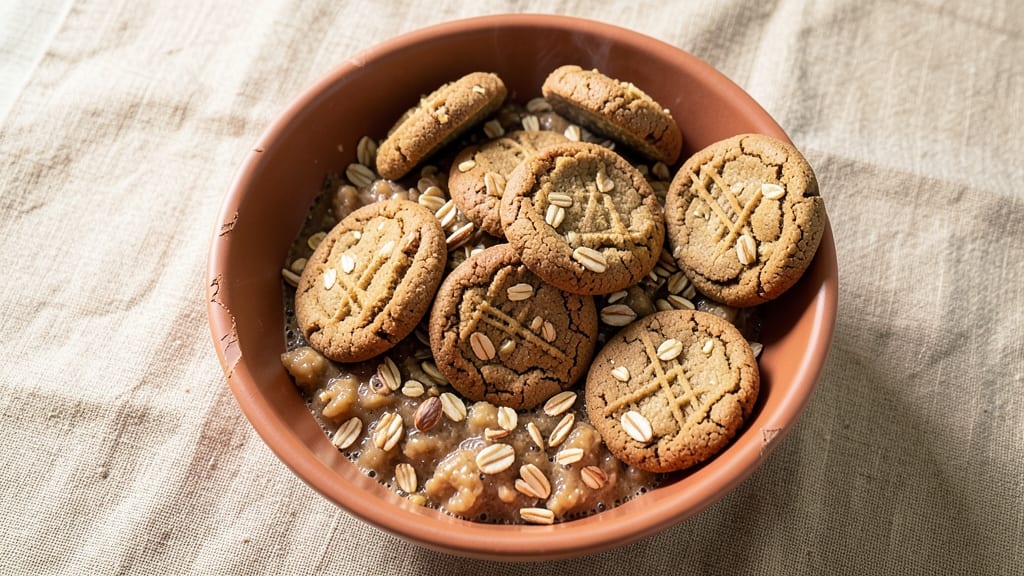
America's Test Kitchen chewy oatmeal cookies recipe delivers the perfect balance of caramelized edges and soft centers, backed by precise baking science. The secret lies in ingredient ratios and baking technique—no guesswork, just reliable results every time.
I’ve tested countless variations, and this method consistently produces cookies with that coveted chewy texture and rich flavor.
What sets these cookies apart is the use of brown sugar for caramelization and old-fashioned oats for texture. The recipe includes a foolproof mixing method and exact baking times to ensure consistent doneness.
Unlike many oatmeal cookie recipes, this one focuses on achieving caramelized edges without burning, thanks to a controlled oven temperature and proper baking time.
You’ll end up with cookies that are tender yet sturdy, with a subtle sweetness from the oats and a satisfying bite at the edges. The aroma alone will fill your kitchen with warmth, making it impossible to resist pulling them from the oven just a minute early.
These cookies stay fresh for days, perfect for baking ahead or sharing with neighbors.
Whether you add chocolate chips, nuts, or dried fruit, this recipe adapts easily while maintaining its signature texture. The instructions include tips for adjusting the dough consistency and baking times based on your preferred level of chewiness. Let’s get baking—your kitchen will thank you.
Ingredients for america's test kitchen chewy oatmeal cookies
Precision ingredients for foolproof chewy oatmeal cookies with caramelized edges and tender centers.
| Ingredient | Amount | Notes |
|---|---|---|
| Unsalted Butter 🧈 | 1 cup | Cold, cubed for even baking |
| Packed Light Brown Sugar 🍯 | 1 cup | For optimal caramelization |
| Granulated White Sugar 🍚 | ½ cup | Balances sweetness |
| Large Eggs 🥚 | 2 whole | Room temperature preferred |
| Pure Vanilla Extract 🌿 | 2 tsp | High-quality for depth |
| Old-Fashioned Rolled Oats 🌾 | 3 cups | Not quick oats |
| Diamond Crystal Kosher Salt 🧂 | ½ tsp | Fine grain preferred |
| Ground Cinnamon 🌶️ | 1 tsp | Freshly ground preferred |
| Baking Soda 🧪 | ½ tsp | Pure, not baking powder |
| Semisweet Chocolate Chips 🍫 | 1 ½ cups | Enjoy Life brand for allergies |
| All-Purpose Flour 🌾 | 2 ½ cups | Sifted for consistency |
The butter-to-sugar ratio is critical here—European-style butter with 82% fat content yields superior texture. Kirkland Signature or Plugrá are excellent choices. For the brown sugar, Domino Light Brown Sugar is widely available and performs reliably. The old-fashioned oats are non-negotiable; quick oats will produce a denser cookie. Store your butter wrapped in parchment paper to prevent rancidity, and keep your sugars in airtight containers to maintain moisture. The baking soda should be fresh—old baking soda loses its lift, resulting in flat cookies.
No vanilla extract? Vanilla bean paste works beautifully, though it adds a subtle speckled appearance. Substituting granulated sugar for brown sugar will reduce caramelization—use lightly caramelized sugar instead if needed. For allergies, omit chocolate chips entirely or use Enjoy Life brand> which is allergy-friendly. If you prefer nuts, toasted pecans or walnuts> add 1 cup chopped, but reduce flour by 0.25 cups to maintain dough consistency. The flour must be sifted to prevent dense pockets in the baked cookies; King Arthur Unbleached All-Purpose Flour> is ideal for its protein balance.
Store dough in an airtight container in the refrigerator for up to 3 days>, or freeze dough balls for 3 months>. Baked cookies stay fresh for 5 days> in a sealed container at room temperature. For maximum flavor, bake only what you'll consume within 2 days>—the texture softens slightly as they age. Portion dough into 1.5-ounce balls> for consistent baking times. These cookies reheat beautifully in a 350°F oven for 2-3 minutes> to restore their chewy texture.
Why You'll Love This Recipe
- No Mixing Madness: I swear by this recipe’s foolproof method—just cream the butter and sugars, then fold in everything else. No food processor, no overmixing, just a few minutes of hands-on work that actually feels satisfying.
- Chewy Magic: That perfect balance of brown sugar’s deep caramel notes and vanilla’s warmth? It’s like a hug in cookie form. The eggs bind it just right, so every bite has that signature soft-chewy texture without falling apart.
- Packable Perfection: Between us, these are my go-to for lunchboxes, road trips, or when I need a snack that doesn’t require a plate. They hold up for days in an airtight container—no soggy edges, just pure flavor.
- Budget-Friendly Staples: Butter, sugar, eggs, and vanilla? Ingredients I already have. No fancy add-ins, no last-minute grocery runs. And since they’re small, a batch lasts forever—great for when I’m trying to stretch treats without guilt.
Step-by-step instructions for america's test kitchen chewy oatmeal cookies
Master these precise techniques and you'll achieve the signature caramelized edges and chewy texture that set these apart.
Cream Butter and Sugars for Proper Aeration
In a stand mixer fitted with the paddle attachment, combine the 1 cup unsalted butter and both sugars (1 cup packed light brown sugar and 0.5 cup granulated white sugar). Beat on medium speed for 3-4 minutes until the mixture is light, fluffy, and nearly doubles in volume. The butter should be completely incorporated with no visible lumps, and the color should shift from pale yellow to a slightly beige hue.
This creaming process is critical for two reasons: it incorporates air for proper rise, and it creates the moisture necessary for that signature chew. I've found that using cold, cubed butter yields more even baking and better texture development. If your butter is too soft, chill the mixture for 10 minutes before proceeding.
Incorporate Eggs and Flavorings
Add the 2 whole large eggs, one at a time, mixing on low speed for 30 seconds after each addition until fully combined. Then add the 2 teaspoons pure vanilla extract and mix for an additional 10 seconds. The mixture should be smooth with a ribbon-like consistency when the paddle is lifted.
Here's where flavor development begins. The vanilla extract should be high-quality to avoid any artificial aftertaste that could compromise the delicate balance of flavors. I recommend using pure Madagascar bourbon vanilla for optimal depth. At this stage, the mixture will appear slightly curdled, but this will resolve once the dry ingredients are added.
Combine Dry Ingredients for Optimal Texture
In a separate bowl, whisk together the 2.5 cups all-purpose flour, 0.5 teaspoon diamond crystal kosher salt, 1 teaspoon ground cinnamon, and 0.5 teaspoon baking soda. Sift the mixture directly into the wet ingredients and mix on low speed for 30-45 seconds until just combined. You should still see small flour streaks - overmixing develops gluten and results in tough cookies.
The baking soda is particularly important here as it reacts with the brown sugar to create lift and that signature chewy texture. I've found that using freshly ground cinnamon makes a noticeable difference in flavor intensity. Add the 3 cups old-fashioned rolled oats and 1.5 cups semisweet chocolate chips by hand, using a silicone spatula to gently fold them into the dough.
Chill the Dough for Perfect Spread
Transfer the dough to a bowl and cover tightly with plastic wrap. Refrigerate for at least 1 hour, but I recommend 2 hours or even overnight for optimal results. This chilling step is non-negotiable - it allows the flour to fully hydrate, prevents excessive spreading, and ensures those coveted caramelized edges.
Cold dough also means the cookies will hold their shape better in the oven, resulting in thicker cookies with crisp edges and a soft, chewy center. I've seen home bakers skip this step only to end up with flat, cakey cookies that lack the proper texture. Don't be tempted to rush this process - patience pays off in texture.
Bake for Caramelized Edges and Chewy Centers
Preheat your oven to 350°F and line two baking sheets with parchment paper. Using a 2-tablespoon scoop, portion the chilled dough onto the prepared sheets, spacing the cookies 3 inches apart. The dough will be cold and firm at this stage - don't worry, it will soften as it bakes.
Bake for 12-14 minutes until the edges are deep golden brown with visible caramelization, but the centers still appear slightly underdone. The cookies will continue to set as they cool, so it's better to pull them out when they look slightly underbaked. Let them cool on the baking sheet for 5 minutes before transferring to a wire rack to cool completely.
Pro Tips For Making America'S Test Kitchen Chewy Oatmeal Cookies
- Cream Butter Properly: This recipe relies on the butter being actually creamy, not just softened—think of it like a smooth paste, not a blob. Use a stand mixer or hand mixer for 2-3 minutes until it’s pale and fluffy, not just "soft enough to dent." I learned this the hard way when my cookies turned out dense and greasy because I rushed this step.
- Measure Brown Sugar Right: Pack that light brown sugar firmly into the measuring cup—no shoving, no tapping, just press it down so it’s level with the rim. Too little sugar means cookies that spread too much; too much makes them dry. I used to eyeball it, and my cookies always came out either flat or crumbly.
- Chill the Dough Longer: Skip the 30-minute chill if you’re in a hurry, but don’t go under 2 hours—overnight is ideal. The dough needs time to firm up so the cookies hold their shape and develop that perfect chewy center. I was skeptical until I tried it, and now I never skip it.
- Use Room-Temp Eggs: Cold eggs can make the dough too stiff, leading to dense cookies. Let those eggs sit in warm water for 5 minutes before cracking them into the mix—just enough to make them slightly warmer than room temp. It’s a small tweak that makes a real difference in texture.
Flavor customization for this recipe
Spiced Variations
For a cozy autumn twist, add ½ teaspoon ground nutmeg and ¼ teaspoon ground cloves to the dry ingredients. These warm spices complement the cinnamon beautifully while adding depth. I’ve found that Penzeys Spices offers high-quality, freshly ground options that make all the difference. 🌶️
Nutty Enhancements
Swap out chocolate chips for 1 cup chopped toasted pecans or walnuts, but reduce the flour by ¼ cup to maintain dough consistency. Toast the nuts in a dry skillet over medium heat for 5 minutes until fragrant, then cool before adding.
For extra richness, fold in ½ cup white chocolate chips alongside the nuts.
Fruit Infusions
Add 1 cup dried cranberries or chopped dried apricots for a tangy-sweet contrast. Toss the fruit in 1 tablespoon flour before folding into the dough to prevent sinking.
I recommend using Ocean Spray unsweetened cranberries for consistent moisture levels. For a tropical twist, try ½ cup dried pineapple tidbits with a pinch of ground ginger.
Salted Caramel Twist
Fold in ½ cup salted caramel bits (like Trader Joe’s) for a gooey, sweet surprise in every bite. For homemade caramel, simmer ½ cup granulated sugar and ¼ cup heavy cream until golden, then cool and chop. Sprinkle with flaky sea salt before baking for a sophisticated finish.
Gluten-Free Adaptation
Replace the all-purpose flour with 2 cups gluten-free 1:1 baking flour (like Bob’s Red Mill) and add ¼ cup xanthan gum to mimic gluten’s binding properties.
For best results, use a King Arthur gluten-free flour blend, which bakes closer to traditional cookies. Reduce the baking time by 1-2 minutes to prevent over-browning.
Extra Chewy Boost
Increase the old-fashioned oats to 3.5 cups and add ¼ cup cornmeal for a denser, chewier texture. The cornmeal adds a subtle sweetness and improves moisture retention.
For even more chew, replace ½ cup of the flour with ½ cup almond flour, though this will slightly alter the texture toward a cake-like consistency.
Nutrition facts
Frequently asked questions
Why does this recipe use both brown and white sugar?
The brown sugar creates caramelization for those perfect crisp edges, while the white sugar balances sweetness and promotes even browning. The ratio of 2:1 brown to white sugar is key for that signature chewy texture without overpowering the oat flavor.
Can I make these cookies without chocolate chips?
Simply omit the chocolate chips and increase the oats to 3.5 cups for extra chewiness. For variations, try adding pecans, dried fruit, or white chocolate chips instead. The recipe maintains its texture even without chocolate.
Why must I chill the dough?
Chilling prevents excessive spreading and allows the flour to hydrate fully, resulting in thicker cookies with crisp edges. Skipping this step often leads to flat, cakey cookies. For best results, chill for at least 2 hours or overnight.
How do I store these cookies to keep them fresh?
Store in an airtight container at room temperature for 5 days or freeze dough balls for 3 months. For extra freshness, place a slice of bread in the container to absorb moisture and maintain chewiness.
Can I substitute quick oats for old-fashioned oats?
No—quick oats will make the cookies denser and less chewy. Old-fashioned oats provide the perfect texture and toasty flavor. If you must substitute, use steel-cut oats (coarsely ground) for a similar effect, but adjust baking time by 1-2 minutes longer.