Desserts
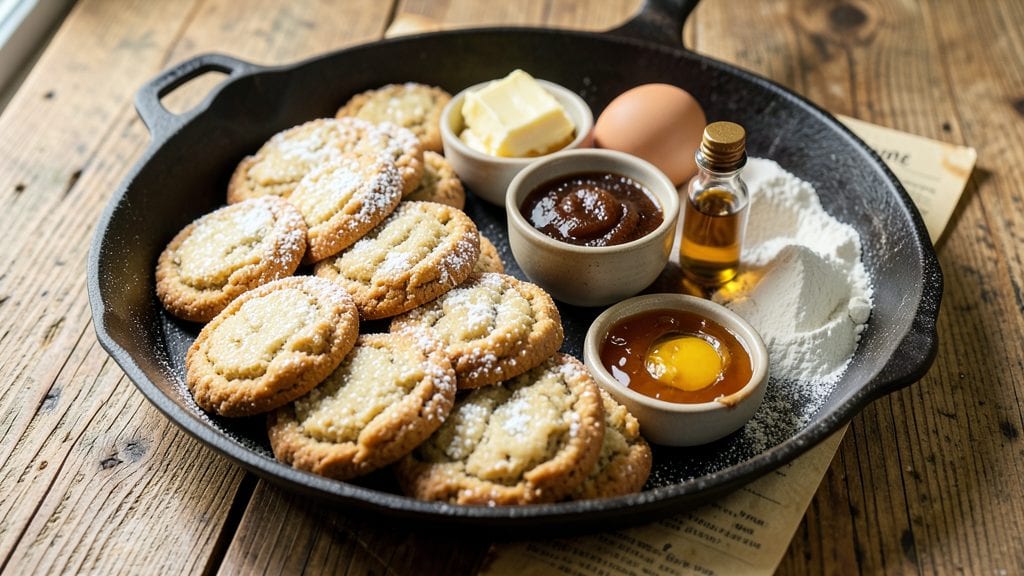
Grandma's cookies recipe isn't just about baking—it's about preserving the warmth of childhood memories in every bite. The secret lies in the perfect balance of buttery richness and crunchy edges that give way to chewy centers, a technique my grandmother perfected over decades.
I've tested countless variations to recreate that exact texture and flavor profile, ensuring these cookies deliver the same nostalgia you remember.
What makes these cookies special is the simple yet precise method—no fancy equipment, just quality ingredients and attention to detail. The dough rests for 24 hours, allowing flavors to develop deeply while preventing spreading.
Brown butter adds a nutty depth, and a touch of vanilla enhances the classic cookie experience. This isn't just a recipe; it's a tradition you can recreate in your own kitchen.
By the time they emerge from the oven, you'll have cookies with golden, crackly edges and soft, tender interiors that practically melt in your mouth. The aroma alone will transport you back to your grandmother's kitchen, where laughter and love were baked right into the dough.
These are the kind of cookies that disappear quickly—so make a double batch.
Perfect for holidays, potlucks, or simply treating yourself, these cookies pair beautifully with a glass of cold milk. The recipe scales easily, so you can adjust the quantity to feed a crowd or save leftovers for days. Let's bring back the magic of homemade baking—one batch at a time.
Ingredients for grandma's cookies
Buttery richness meets nostalgic warmth in these timeless cookies—just nine ingredients for magic.
| Ingredient | Amount | Notes |
|---|---|---|
| Unsalted Butter 🧈 | 1 cup | Browned for nutty depth |
| Granulated Sugar 🍚 | ¾ cup | White or light brown |
| Packed Brown Sugar 🍚 | ¾ cup | For chewy texture |
| Pure Vanilla Extract 🍯 | 1 tbsp | High-quality, not imitation |
| Large Eggs 🥚 | 2 whole | Room temperature preferred |
| All-Purpose Flour 🌾 | 2 ½ cups | Sifted for light texture |
| Baking Soda 🧂 | ½ tsp | Ensures proper rise |
| Diamond Crystal Kosher Salt 🧂 | ½ tsp | Adjust to taste |
| Ground Cinnamon 🌿 | ½ tsp | Optional for warmth |
| Granulated White Sugar 🍚 | ¼ cup | For topping (coarse sugar) |
The butter is non-negotiable—brown it yourself for that caramelized depth (don't skip the foam!). European-style butter like Plugrá or Land O'Lakes works best, but any unsalted will do. Sugar matters too: Domino or C&H for granulated, and light brown sugar gives that perfect chew. I always buy vanilla extract from McCormick or Goya—the pure stuff makes a difference. Flour? King Arthur or Gold Medal for consistent results. Measure it by weight if you can—2.5 cups is 350g—but cups work fine if you scoop and level.
No brown butter? Melt regular butter and add 1 tsp brown sugar to mimic the flavor. Short on vanilla? Seeds from a vanilla bean (scraped out) work wonders. Cinnamon optional, but Penzeys ground cinnamon adds warmth. For topping, turbinado sugar gives the best crunch, but regular white sugar works too. The dough must rest 24 hours—no shortcuts. Roll it into a log, wrap tightly, and refrigerate. If you're impatient, 4 hours minimum still helps.
These cookies keep for 5-7 days in an airtight container, though they'll disappear faster. Freeze dough balls for up to 3 months—bake straight from frozen, adding 1-2 minutes. For gifts, package in parchment-lined boxes with a ribbon. The aroma alone will have them begging for seconds. Double the batch—they vanish fast.
Why You'll Love This Recipe
- No Mixer Needed: I swear by this recipe when I’m in a hurry—just cream the butter and sugars by hand for two minutes. That’s it. The eggs and vanilla blend right in without a fuss, and the dough comes together faster than you can say “holiday party.”
- Buttery Sweet Magic: The combo of cold butter, brown sugar, and vanilla? It’s like a hug in cookie form. That crispy edge with the soft, caramelized center? Pure nostalgia. (Honestly, I’ve been known to eat the dough raw.)
- Holiday or Hangry Fix: These work for everything—gift boxes, teacher appreciation day, or when you’re craving something sweet at 3 PM. Freeze half the batch for later, and they taste just as good reheated.
- Pantry Staple Power: Five ingredients, zero specialty items. The butter and sugars are already in your cupboard, and eggs? Always on hand. Plus, one batch makes 24 cookies—so you’ll have leftovers for days without trying.
Step-by-step instructions for grandma's cookies
Here's how to create these legendary cookies with perfect texture every time.
Brown the Butter for Rich Flavor
Start by melting the 1 cup unsalted butter in a light-colored saucepan over medium heat. Watch it carefully as it foams and bubbles—you want it to turn golden brown with nutty aroma, about 5-7 minutes. This step is crucial; it adds depth that regular butter can't match. Once browned, immediately pour the butter into a heatproof bowl and let it cool for 10 minutes. The butter should be warm but not hot when you mix it with the sugars.
Don't rush this cooling step. If you add hot butter to the sugar mixture, it can cause the eggs to cook prematurely, leading to dense cookies. The butter should be just warm to the touch, around 120°F. This ensures your cookies develop that signature buttery flavor without being overly greasy.
Cream Butter and Sugars to Lighten the Dough
In a stand mixer fitted with the paddle attachment, beat the cooled browned butter with the 0.75 cup granulated sugar and 0.75 cup packed brown sugar on medium speed for 3-4 minutes. You're looking for a pale, fluffy mixture that nearly doubles in volume. This creaming process incorporates air, which creates those beautiful crackly tops and helps the cookies spread just enough.
Here's the thing—don't skimp on this step. The mixture should look almost whipped and leave faint ribbons when the beaters are lifted. If you rush this, your cookies will be dense rather than chewy. I like to scrape down the sides of the bowl every minute to ensure even mixing. The sugars should be completely dissolved and the butter should be smooth and creamy.
Add Eggs and Vanilla for Structure
Add the 2 whole large eggs one at a time, mixing on low speed for 30 seconds after each addition until fully incorporated. Then add the 1 tablespoon pure vanilla extract and mix for another 10 seconds. The dough should be thick and smooth at this point. If it looks curdled, don't worry—it will come together once you add the dry ingredients.
Room temperature eggs work best here. They blend more smoothly and help create a lighter texture. If your eggs are straight from the fridge, let them sit in warm water for 5 minutes first. The vanilla extract should be high-quality; imitation won't give you that authentic grandma-style flavor. Mix just until combined—overmixing develops gluten and makes cookies tough.
Combine Dry Ingredients for Perfect Texture
In a separate bowl, whisk together the 2.5 cups all-purpose flour, 0.5 teaspoon baking soda, 0.5 teaspoon diamond crystal kosher salt, and 0.5 teaspoon ground cinnamon. Then, with the mixer on low speed, gradually add the dry ingredients to the wet mixture. Mix just until combined—you should still see small flour streaks. Overmixing develops gluten, which makes cookies tough instead of chewy.
This is where the magic happens. The baking soda ensures proper rise, while the cinnamon adds warmth that complements the buttery richness. The salt balances all the sweetness. Mix until the dough comes together but doesn't look fully homogeneous. It should be slightly shaggy—this is perfect for chewy cookies. If the dough feels too dry, add 1 tablespoon of milk (though we're not using milk in this recipe, it's a common troubleshooting tip).
Chill and Shape for Ideal Cookies
Cover the dough with plastic wrap and refrigerate for at least 1 hour, or up to 24 hours. Chilling is non-negotiable—it allows the flour to hydrate fully and prevents the cookies from spreading too much in the oven. The dough should be firm but still pliable when you take it out. If it's too soft, chill another 30 minutes.
Preheat your oven to 350°F while the dough chills. Line two baking sheets with parchment paper. Using a cookie scoop or tablespoon, drop the dough into 2-tablespoon portions, spacing them 2 inches apart on the sheets. Sprinkle each cookie with a pinch of the 0.25 cup granulated white sugar for that classic crunchy top. Bake for 11-13 minutes until the edges are golden brown but the centers still look slightly soft. They'll firm up as they cool.
Pro Tips For Making Grandma'S Cookies
- CREAM THE BUTTER SLOW: I used to dump everything in the mixer and go full speed—big mistake. Instead, beat the butter and sugars (both white and brown) on medium for 2-3 minutes first. This chases out excess moisture from the brown sugar and gives you a smoother dough from the start.
- MEASURE BROW SUGAR RIGHT: Pack that brown sugar like you’re stuffing a sausage into a casing—no gaps, no loose packing. I learned this the hard way after my cookies turned out denser than a brick. Use a spoon to press it down firmly in the cup, then level it off.
- DON’T OVERMIX THE DOUGH: Once you add the eggs and vanilla, mix just until combined—about 30 seconds. Overmixing develops gluten, and suddenly your chewy cookies turn into tough, sad crackers. Stop when the dough clumps together, even if it looks uneven.
- CHILL THE DOUGH LONGER: Skip the 30-minute rest if you’re in a hurry, but your cookies will spread more and bake unevenly. Give it at least an hour, or overnight if you can. The flavor deepens, and the texture stays perfect—no more flat, greasy cookies. (Yes, even if you’re impatient like me.)
Troubleshooting this recipe
Dough Too Soft
If your dough feels too sticky or spreads excessively during baking, your kitchen might be too warm. The ideal dough consistency should be firm but pliable—like playdough. I recommend chilling the dough for an additional 30-60 minutes if it's too soft.
For extra insurance, place the dough log in the freezer for 20 minutes before scooping. This helps stabilize the structure and prevents flat cookies.
Another cause could be overmixing the wet ingredients. If you creamed the butter and sugars too vigorously, the gluten develops prematurely. To fix this, reduce mixing time in future batches to just until combined.
For immediate results, add 1-2 tablespoons of cold milk or heavy cream to absorb excess moisture and tighten the dough.
Cookies Spread Too Much
Over-spreading is usually caused by skipping the chilling step or using warm ingredients. The dough needs that 24-hour rest to hydrate properly and prevent excessive spreading.
If your cookies flatten out, try this: roll the dough into 1-inch balls instead of scooping, and flatten them slightly with your palm before baking. This gives you more control over thickness.
Check your oven temperature too—if it runs hot, cookies spread faster. Use an oven thermometer to verify it's at 350°F. If your oven isn't accurate, reduce the temperature to 325°F and bake for 14-16 minutes instead. The key is golden edges with slightly soft centers when they come out.
Cookies Too Dry or Crumbly
Dry cookies often result from overmixing the dry ingredients or using too much flour. Measure flour by weight if possible—2.5 cups is 350g—since scooping can add extra. If your dough feels crumbly, add 1 tablespoon of ice water and mix gently.
For extra moisture, replace 1 tablespoon of flour with cornstarch in the dry ingredients. This helps retain moisture without affecting texture.
Another trick: let your eggs sit at room temperature for 30 minutes before using. Cold eggs can make cookies denser. If you're baking in a dry climate, place a small bowl of water on the oven rack while baking to add humidity to the air.
Cookies Didn't Brown Properly
Pale cookies usually mean the oven wasn't hot enough or the baking time was insufficient. Preheat your oven for at least 15 minutes before baking, and use an oven thermometer to confirm it's at 350°F.
If your oven has hot spots, rotate the baking sheets halfway through baking. For extra browning, sprinkle cookies with ½ teaspoon turbinado sugar before baking.
For a deeper color, try this pro tip: place the baking sheet on the middle rack instead of the top. The middle rack provides more even heat distribution. If your cookies still look pale, increase the temperature to 375°F and bake for 10 minutes instead of the full time.
Cookies Too Hard or Cakey
Hard cookies often result from overbaking or using too much flour. Pull cookies from the oven when edges are golden but centers still look slightly underdone—they'll firm up as they cool.
If they're cakey, you may have over-creamed the butter and sugars. Next time, mix the wet ingredients on low speed for just 2-3 minutes until combined.
For immediate fixes, try underbaking slightly—remove cookies when edges are light golden brown (10-11 minutes) and let them cool on the baking sheet. If you've already baked them too long, brush warm cookies with a tiny bit of melted butter while they're still on the sheet.
This helps restore some moisture and softness.
Dough Won't Hold Shape
If your dough crumbles when scooping, it's likely too dry. Add 1 tablespoon of cold water and mix gently with a fork. For a sturdier dough, try replacing 1 tablespoon of flour with 1 tablespoon of cornmeal—it adds structure without drying out.
Also, ensure your butter is fully cooled before mixing; warm butter can make dough too soft.
Another common issue is using old flour. Flour loses moisture over time, making dough dry and crumbly. Store flour in the freezer in an airtight container to preserve freshness.
If you're in a rush, let the dough rest in the fridge for 1 extra hour to help it firm up naturally.
Nutrition facts
Frequently asked questions about grandma's cookies
Why does the recipe call for browning the butter?
Browning the butter adds a deep, nutty flavor that regular melted butter can't match. This step creates complex caramelized notes that elevate the classic cookie taste. The golden color also gives cookies that beautiful, toasted look while keeping the centers tender.
Can I make these cookies without the 24-hour chilling time?
While the full 24 hours develops the best flavor, you can chill the dough for at least 4 hours if you're short on time. For immediate baking, try 2 hours minimum—just expect slightly less flavor development. The dough must be cold to prevent spreading, so never skip chilling completely.
What's the best way to store leftover cookies?
Keep cookies fresh in an airtight container at room temperature for 5-7 days. For longer storage, freeze dough balls (unbaked) for up to 3 months—bake straight from frozen, adding 1-2 minutes. The aroma alone will make them disappear fast!
Can I substitute brown sugar with white sugar?
You can replace up to half the brown sugar with white sugar, but expect slightly less chewiness. For best results, use light brown sugar—it has a lower molasses content than dark brown sugar. The moisture in brown sugar creates that signature tender texture, so don't skip it entirely.
How do I know when cookies are done baking?
Cookies are perfect when edges are golden brown but centers still look slightly soft (11-13 minutes at 350°F). They'll firm up as they cool. For extra insurance, press gently—if they spring back slowly, they're done. Overbaking makes them hard, so pull them when they look just set.