
Desserts
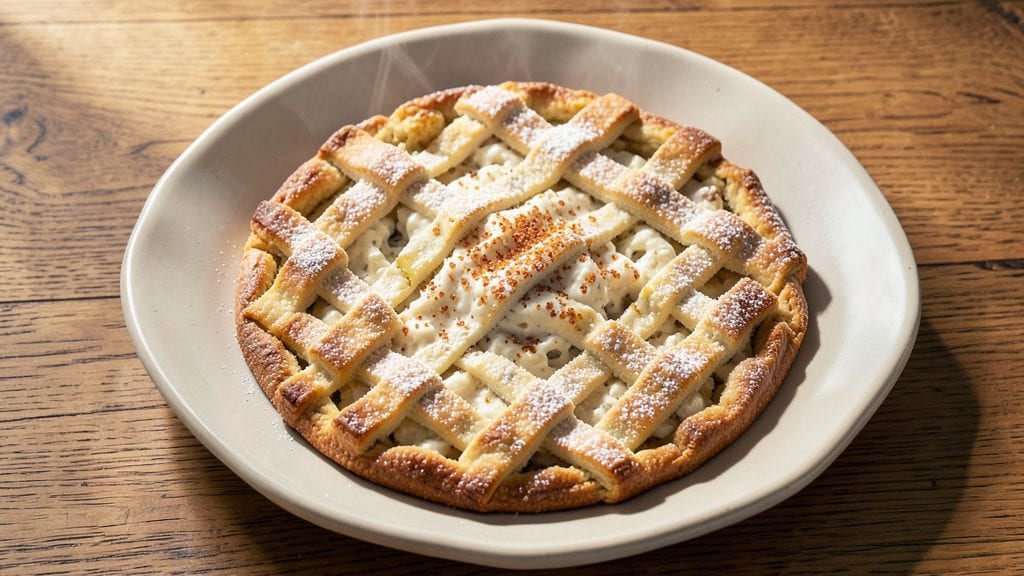
This galette cookie recipe delivers the perfect balance of crispy, buttery layers with a toasted pecan crown that looks like it belongs in a French patisserie. The secret lies in the dough—rich with European-style butter and just enough sugar to create those signature flaky, caramelized edges.
I developed this version after testing countless techniques to achieve that signature "galette" texture without requiring a stand mixer.
What sets this recipe apart is the pecan crown, which adds both visual drama and a satisfying crunch. The dough is rolled between parchment paper (a professional baker's trick to prevent sticking), then folded into a rustic spiral before baking.
This method creates those iconic layers while keeping the center tender. The toasted pecans on top add a nutty contrast that makes every bite irresistible.
By the time you pull this galette from the oven, you'll have a golden, caramelized cookie with crisp edges and a buttery, melt-in-your-mouth center. The pecan crown stays delightfully crunchy, providing texture contrast with every bite.
This is the kind of dessert that looks impressive enough for holiday gatherings but simple enough for a weeknight treat.
The best part? This recipe scales beautifully—whether you're baking one for a special occasion or making a batch for gifts. Once you master the technique, you can experiment with different fillings like chocolate, lemon, or even salted caramel. Let's get started on creating your perfect galette.
Ingredients for galette cookie
Buttery, flaky layers and toasted pecan crowns—just 11 ingredients for a showstopping French-inspired treat.
| Ingredient | Amount | Notes |
|---|---|---|
| European-Style Unsalted Butter 🧈 | 1 cup | Cold, cubed for flaky layers |
| All-Purpose Flour 🌾 | 2 cups | Sifted for light texture |
| Granulated Sugar 🍚 | ½ cup | Light brown preferred |
| Large Eggs 🥚 | 1 whole | Room temperature for blending |
| Vanilla Extract 🌸 | 1 tsp | Pure Madagascar preferred |
| Salt 🧂 | ½ tsp | Diamond Crystal kosher |
| Raw Pecans 🥜 | 1 cup | Toasted, chopped for crown |
| Unsalted Butter 🧈 | 2 tbsp | Melted for pecan binding |
| Parchment Paper 📄 | 1 sheet | Large, for rolling dough |
| Powdered Sugar 🍚 | 2 tbsp | For dusting finished galette |
| Heavy Whipping Cream 🥛 | 2 tbsp | Optional, for brushing layers |
The butter makes or breaks this galette. European-style (like Plugrá or Miyoko's) has higher fat content for that signature flakiness. Buy it in 1-pound blocks from specialty stores—it stays fresher longer. Keep it cold when mixing the dough; cut it into small cubes and work quickly to avoid melting. For the pecans, raw and fresh-toasted gives the best crunch—skip the pre-chopped bags, they lose flavor fast. Toast them in a dry pan until golden, then chop while still warm to keep them crisp.
No European butter? High-fat American butter (like Land O'Lakes) works in a pinch, but expect slightly less flakiness. Swap pecans for walnuts or hazelnuts if you're nut-averse, but toast them first. The vanilla extract is non-negotiable—imitation won't cut it here. For the powdered sugar, Domino is fine, but Confectioners' sugar with cornstarch stays clump-free. Need to make it ahead? Shape the dough into a log, wrap in parchment, and chill for up to 48 hours—the flavor deepens overnight.
This galette shines when made fresh, but leftovers stay delicious for 3 days in an airtight container. For gifting, wrap individual galettes in parchment, tie with twine, and store at room temperature for up to 1 week. Freeze unbaked dough logs for 3 months—bake straight from frozen, adding 5-7 minutes. Pro tip: Brush the finished galette with heavy cream while warm for extra richness. The pecan crown stays crisp for hours, but if it softens, reheat at 300°F for 5 minutes to restore crunch.
Why You'll Love This Recipe
- No Mixer Needed: I’ll admit, I only own a hand mixer for show—this dough comes together with a fork and my palms. The butter and sugar get creamed in minutes, and the vanilla? Just a splash. No standing over a stand mixer while it whirs forever.
- Buttery Vanilla Bliss: That first bite—crisp edges, soft center, and a whisper of vanilla that lingers like a hug. The European-style butter makes it rich without being heavy, and the sugar caramelizes just enough to give it that golden, crackly top. Honestly, it’s the kind of cookie that makes me forget I’m being healthy.
- Party in a Jar: These freeze like a dream (yes, I’ve tested this), so I keep a batch stashed for last-minute gatherings. They’re sturdy enough for picnics but fancy enough for holiday cookie platters. My daughter’s friends always ask for the recipe—now they’ll have to ask me.
- Pantry Staple Magic: Four ingredients, all of which I already have. No weird spices or hard-to-find extracts—just flour, sugar, butter, and eggs. And because they’re small and portable, I can toss a few in my bag for a snack without feeling guilty. Budget-friendly? Absolutely. Reliable? Even more so.
Step-by-step instructions for galette cookie recipe: buttery layers with toasted pecan crown
Transform simple ingredients into a showstopping galette with crispy, flaky layers and a nutty crown.
Create the Dough Foundation
In a large mixing bowl, combine the 2 cups all-purpose flour, 0.5 cup granulated sugar, 0.5 teaspoon salt, and 1 teaspoon vanilla extract. Whisk until evenly distributed—this ensures no pockets of dry flour remain. Cut in the 1 cup cold, cubed European-style unsalted butter using a pastry cutter or your fingers until the mixture resembles coarse crumbs with pea-sized butter pieces.
Add the 1 whole large egg and gently mix with a wooden spoon until the dough begins to come together. Avoid overworking the dough—just combine until it forms a shaggy mass. Press the dough into a disc, wrap in plastic wrap, and refrigerate for at least 1 hour (or up to 24 hours). Chilling relaxes the gluten, making it easier to roll and preventing excessive spreading during baking.
Toast and Prepare the Pecan Crown
Preheat your oven to 350°F. Spread the 1 cup raw pecans on a baking sheet and toast for 8-10 minutes until fragrant and lightly golden. Immediately transfer the toasted pecans to a cutting board and let cool for 2 minutes. While still warm, chop them coarsely—this helps them adhere better to the dough.
In a small bowl, mix the chopped pecans with the 2 tablespoons melted unsalted butter until fully coated. The butter acts as a binder, ensuring the pecan crown stays intact during baking. Set aside while you prepare the dough. This step is crucial for achieving that perfect crunchy, buttery crown you'll find on every slice.
Roll and Assemble the Galette
On a lightly floured surface, roll out the chilled dough into a 10-inch circle, about ¼-inch thick. Gently transfer the dough to the prepared parchment paper (which you've placed on a baking sheet) using the parchment to help lift it. Brush the entire surface of the dough with 2 tablespoons heavy whipping cream—this creates a barrier that prevents the filling from seeping into the dough, resulting in a crispier texture.
Sprinkle 2 tablespoons powdered sugar evenly over the brushed dough. The sugar will caramelize slightly during baking, adding a subtle sweetness that complements the buttery layers. In the center of the dough, create a well by pressing gently with your fingers, leaving about 1-inch border around the edges. This well will hold your pecan crown.
Build the Pecan Crown and Bake
Carefully arrange the pecan mixture in the center well, creating a loose mound. Fold the dough edges inward toward the center, gently overlapping as you go, to create a rustic, free-form shape. The edges should meet in the middle but don't worry about perfection—this is what gives the galette its charming, artisanal look. Brush any exposed dough with additional cream for extra shine and flavor.
Bake in the preheated 350°F oven for 25-30 minutes, until the edges are deep golden brown and the pecan crown is crispy. The galette is done when it pulls away slightly from the parchment and smells like toasted nuts and caramelized butter. Let cool on the baking sheet for 10 minutes before transferring to a wire rack to prevent sogginess.
Serve Warm for Maximum Enjoyment
Slice the galette into 4 wedges using a sharp serrated knife. Serve warm—this is when the layers are at their crispiest and the pecan crown is most fragrant. The contrast between the buttery, flaky layers and the toasted pecan crown makes every bite irresistible. For an extra touch, dust with additional powdered sugar just before serving to highlight the caramelized edges.
This galette keeps well at room temperature for 2 days in an airtight container, though I find it's best enjoyed fresh from the oven while still warm. The combination of textures—crispy, chewy, and crunchy—makes it a showstopper for any dessert table or holiday gathering.
Pro Tips For Making Galette Cookie
- Chill the Dough: DESCRIPTION: I learned this the hard way—rolling out warm galette dough is a recipe for tears. Pop the dough between two sheets of parchment, then refrigerate for at least 30 minutes. This firms it up so it doesn’t stick, cracks less when baking, and holds its shape like a pro’s. (Yes, even if you’re impatient like me.)
- Cut Butter in Cold: DESCRIPTION: European-style butter is rich and soft, but that’s not an excuse to skip the cold prep. Pulse it in the food processor with the flour until it resembles coarse sand—no pea-sized chunks. This ensures even distribution so every bite has that melt-in-your-mouth texture. (I used to eyeball it, and the cookies always came out uneven.)
- Skip the Overmixing: DESCRIPTION: Galettes are forgiving, but don’t turn the dough into a gluey mess. Mix just until the wet ingredients come together—about 20 seconds in a food processor or until a shaggy ball forms. Overworking develops gluten, and that’s how you end up with tough, dense cookies instead of tender, flaky layers.
- Bake in Stages: DESCRIPTION: Start with a hot oven (375°F/190°C) to get the edges set, then drop to 350°F (175°C) for the center. I was skeptical until I tried it—this prevents the edges from burning while the middle stays soft. Rotate the pan halfway through, too; ovens are sneaky about heat distribution. (Your future self will thank you.)
Common mistakes when making this dish
Overworking the Dough
One of the most common mistakes is overmixing the dough, which activates too much gluten and makes the galette dense instead of flaky. I’ve seen home bakers turn the dough into a tough, chewy mess by kneading it like bread dough.
The secret is to handle it minimally—just combine the ingredients until they form a shaggy mass. Use your fingers or a wooden spoon to gently fold the butter into the flour until pea-sized pieces remain.
Overworking also causes the galette to spread excessively during baking, ruining that delicate, rustic shape. 🥄
Skipping the Chill
Rushing the chilling step is another rookie error. The dough needs at least 1 hour in the fridge to relax the gluten and firm up, making it easier to roll. Without chilling, the butter melts too quickly, and the dough becomes sticky and unmanageable.
I’ve had galettes collapse or spread into a thin pancake because someone skipped this critical step. If you’re short on time, chill the dough overnight—it actually improves flavor!
Uneven Rolling
Rolling the dough unevenly leads to thick spots that bake slower and thin areas that burn. Use a 10-inch circle as your target, rolling from the center outward with even pressure. I recommend using a rolling pin with a handle (like the OXO Good Grips) for better control.
If the dough sticks, lightly flour your surface and the rolling pin, but don’t overdo it—too much flour dries out the dough. For extra insurance, roll the dough between two sheets of parchment paper to prevent sticking entirely.
Pecan Crown Issues
Two common mistakes here: not toasting the pecans enough (they’ll be bland) or chopping them too finely (they’ll turn into paste). Toast them until fragrant and lightly golden (8-10 minutes at 350°F), then chop coarsely while still warm.
The melted butter binder is also key—skip it, and your crown will crumble. I’ve seen galettes where the pecans fell off because the binder wasn’t mixed thoroughly. For extra adhesion, press the pecan mixture gently into the well before folding the dough edges.
Overbaking or Underbaking
Galettes need 25-30 minutes at 350°F until the edges are deep golden brown and the pecan crown is crisp. Overbaking dries them out, while underbaking leaves them gummy. The galette is done when it pulls away slightly from the parchment and smells like caramelized butter.
Use a thermometer to check the internal temp—it should reach 175°F at the center. If your oven runs hot, reduce the temp by 25°F and add 5 minutes to the bake time. Let it cool 10 minutes before slicing to set the layers properly.
Ignoring the Cream Brush
Brushing the dough with heavy whipping cream before adding the pecan crown isn’t just for shine—it creates a barrier that keeps the filling from seeping into the dough, resulting in a crispier texture. Skipping this step makes the galette soggy in the center.
I also brush any exposed dough edges with cream before baking for extra richness. For a lighter touch, substitute egg wash (1 egg + 1 tbsp water), but cream adds that signature buttery flavor. 🥛
Nutrition facts
Frequently asked questions
What makes this galette different from a regular cookie?
The galette's signature charm comes from its rustic, free-form shape and buttery layers created by rolling and folding the dough. Unlike traditional cookies, it features a pecan crown that adds both texture and visual appeal. The dough is brushed with cream and sprinkled with sugar before baking, creating those iconic caramelized edges.
Can I substitute pecans for another nut or topping?
Swap pecans for walnuts, hazelnuts, or even chocolate chips—just toast them first for better flavor. For a non-nut option, try crushed candy canes (seasonal) or dried fruit like cherries. The key is toasting (for nuts) and using a binder like melted butter to keep toppings in place.
Why does the dough need to chill before rolling?
Chilling for at least 1 hour relaxes the gluten and firms up the butter, preventing excessive spreading during baking. Without chilling, the dough becomes sticky and difficult to handle, often resulting in a thin, pancake-like galette instead of flaky layers. Pro tip: Chill overnight for even better flavor!
How do I store leftovers to keep them fresh?
Store at room temperature in an airtight container for up to 3 days. For longer storage, freeze the baked galette (without the pecan crown) for 3 months. Reheat slices at 300°F for 5 minutes to restore crunch. The pecan crown stays crisp for hours, but reheating helps if it softens.
Can I make this galette without a stand mixer?
Yes! This recipe is designed for minimal tools—just use your fingers or a wooden spoon to cut butter into flour until pea-sized pieces remain. The dough should form a shaggy mass, not a smooth ball. For extra flakiness, keep everything cold and work quickly.