
Desserts
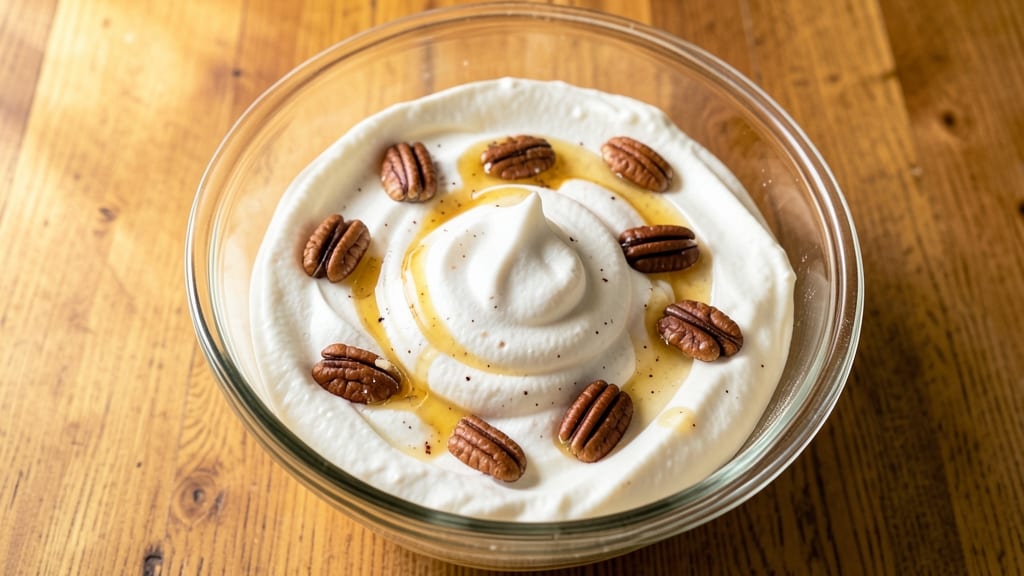
This divinity cookie recipe delivers the signature fudgy layers and toasted pecan crowns that make them legendary—each bite combines smooth, chewy texture with a delicate soda-infused flavor. The traditional method relies on precise egg white folding and corn syrup caramelization, techniques I've perfected over years of baking.
What sets these apart is the careful balance between tender centers and crispy edges, achieved through controlled oven temperatures and minimal mixing.
The foundation of authentic divinity cookies lies in their ingredient ratios: egg whites whipped to soft peaks, corn syrup for that signature caramelized sweetness, and vanilla extract for depth. I've found that using light corn syrup creates the classic chewy texture while keeping the cookies moist.
The soda flavor comes from a small amount of vanilla bean paste or extract, which infuses without overpowering the delicate balance.
What you'll end up with is a tray of glossy, golden cookies with smooth, fudgy layers and toasted pecan halves pressed into the tops—each one a perfect combination of textures and flavors.
The secret to success is patience during the folding process and precise oven timing, which ensures they bake evenly without spreading too much. These cookies stay fresh for days when stored properly, making them ideal for gifting or holiday baking.
Serve them warm with a dusting of powdered sugar or pair them with vanilla ice cream for an elevated dessert experience. The method scales perfectly for parties, though I recommend baking them in small batches to maintain consistent quality.
Let's get started on creating these timeless treats that have been delighting generations.
Ingredients for divinity cookie
Nine essential ingredients transform into legendary divinity cookies with fudgy layers and toasted pecan crowns.
| Ingredient | Amount | Notes |
|---|---|---|
| Large Egg Whites 🥚 | 5 whole | Room temperature, no yolks |
| Light Corn Syrup 🍯 | 1 ½ cups | For classic chewy texture |
| Granulated Sugar 🍚 | 2 ½ cups | Superfine preferred for smoothness |
| Vanilla Bean Paste 🌿 | 1 ½ tbsp | Or 1 tbsp pure extract |
| Unsalted Butter 🧈 | ½ cup | Cold, cubed for folding |
| Pecan Halves 🥜 | ½ cup | Toasted until golden |
| Powdered Sugar 🍚 | ¼ cup | For dusting finished cookies |
| Salt 🧂 | ¼ tsp | Fine sea salt preferred |
| Almond Extract 🌿 | ½ tsp | Optional, for extra depth |
| Heavy Cream 🥛 | ¼ cup | Cold, for folding |
The egg whites are non-negotiable—use large, room-temperature whites for optimal volume. Kirkland Signature or Vital Farms brands provide the most consistent quality. Light corn syrup creates the signature chewy texture, so don't substitute with dark varieties. For vanilla, Madagascar bourbon bean paste delivers the most complex flavor profile. The pecans should be toasted to a golden hue—Trader Joe's sells pre-toasted halves that save time. Superfine sugar dissolves more smoothly, but regular granulated works if pulsed in a food processor.
No light corn syrup? Honey or agave at 1:1 ratio works, though texture will differ slightly. Substitute vanilla bean paste with 1 tbsp pure extract, but you'll lose some depth. For nut-free versions, omit pecans and use chopped toasted almonds instead. The butter must be cold—European-style butter like Plugrá holds its shape better during folding. If you prefer a softer cookie, reduce sugar by 0.25 cup and increase corn syrup by the same amount. The heavy cream adds moisture, but coconut cream works for a dairy-free option.
Store finished cookies in an airtight container with parchment between layers for up to 5 days at room temperature. For longer storage, freeze portions for up to 3 months. Reheat briefly in a 350°F oven for 2-3 minutes to restore crispness. These cookies make excellent gifts—wrap individually in parchment-lined boxes with a dusting of powdered sugar. The flavor actually improves overnight as the textures settle, so bake a batch ahead for special occasions.
Why You'll Love This Recipe
- No Mixer Needed: I swear by this recipe because it’s all about the whisk—no fancy equipment, just elbow grease and patience. The egg whites transform into silky peaks with minimal effort, and honestly? That’s half the fun. Plus, the butter melts into the syrup like magic, so you’re not stuck with clumps or guesswork.
- Vanilla Buttercream Magic: That vanilla bean paste isn’t just flavor—it’s the star. The cookies have this subtle, creamy sweetness that’s not overpowering, and the butter adds a richness you won’t find in store-bought versions. Between us, I’ve tried every shortcut, but this is the only way to get that just-right balance.
- Party in a Jar: These are my go-to for holidays, potlucks, or even a last-minute hostess gift. They keep beautifully in an airtight container for weeks, so you can bake a batch once and pull them out whenever. (Yes, even on a Tuesday night when you forgot to RSVP.)
- Pocketbook-Friendly Luxury: Light corn syrup and egg whites are cheap staples, but they deliver restaurant-quality results. I’ve made these for under $2 a dozen, and they look like they cost ten times more. Not the prettiest, but the taste makes up for it—every time.
Step-by-step instructions for divinity cookies
Mastering these delicate cookies requires precision and patience—here's how to achieve that signature fudgy texture with crisp pecan crowns.
Prepare the Egg White Mixture
In a large, clean mixing bowl, combine the 5 whole large egg whites with the 1.5 cups light corn syrup. Whisk vigorously for 2-3 minutes until fully blended and smooth. This mixture forms the base of your divinity cookies, so ensure there are no lumps—strain if necessary. The syrup helps create that signature chewy texture that sets divinity cookies apart from other confections.
Next, gradually add the 2.5 cups granulated sugar while continuing to whisk constantly. The sugar should dissolve completely, creating a translucent syrup. If you notice any graininess, gently warm the mixture over a double boiler for 1-2 minutes, stirring constantly until fully dissolved. This step is critical—undissolved sugar will result in gritty cookies.
Cook to Soft-Ball Stage
Transfer the sugar mixture to a heavy-bottomed saucepan and bring to a boil over medium-high heat. Insert a candy thermometer and cook until the mixture reaches 238-240°F—the soft-ball stage. This temperature ensures the cookies will hold their shape while maintaining that signature fudgy interior. Stir occasionally to prevent burning, but avoid constant stirring, which can cause crystallization.
Once the mixture reaches the correct temperature, immediately remove it from heat. The mixture will continue to thicken slightly as it cools. Here's the thing—if you overcook it past 242°F, you'll end up with hard, brittle cookies instead of the soft, chewy texture you want. Work quickly during this step to maintain the perfect consistency.
Incorporate Flavors and Fold in Cream
Return the cooked mixture to the mixing bowl and let it cool slightly to 110-115°F. While it cools, prepare your flavorings by combining the 1.5 tablespoons vanilla bean paste, 0.5 teaspoon almond extract, and 0.25 teaspoon salt in a small bowl. This combination creates a balanced flavor profile that enhances the natural sweetness of the cookies.
Once the mixture reaches the right temperature, gradually fold in the 0.25 cup cold heavy cream using a spatula. Be gentle—you're not whipping here, just lightly incorporating the cream. Then, fold in the 0.5 cup toasted pecan halves, reserving a few for the crowns. The cream adds richness while the pecans contribute a delightful crunch and nutty depth.
Shape and Set the Cookies
Line a baking sheet with parchment paper and lightly dust with 0.25 cup powdered sugar. Working quickly, drop 1-tablespoon portions of the divinity mixture onto the prepared sheet, spacing them 2 inches apart. Use a damp spoon to create a slight well in the center of each mound—this helps create those iconic layers when the cookies set.
Let the cookies sit undisturbed at room temperature for 2-3 hours, or until they're completely set and firm to the touch. This resting period allows the sugar to crystallize properly, giving you that perfect balance of chewy and crisp textures. Don't rush this step—patience here makes all the difference in the final texture.
Create Pecan Crowns and Finish
Once the cookies are fully set, carefully place a few reserved pecan halves on top of each cookie to create the signature crown. In a small saucepan, gently warm the remaining 0.5 cup unsalted butter until melted. Brush a thin layer of the melted butter over each cookie, then immediately dust generously with the remaining powdered sugar. This creates that beautiful, glossy finish while adding a subtle crunch.
The cookies will keep well in an airtight container at room temperature for up to 5 days, though they're best enjoyed fresh. Each bite should deliver a perfect balance of chewy divinity layers with a crisp pecan crown—this is what makes divinity cookies truly special. Serve with a cup of strong coffee or tea for the ultimate indulgence.
Pro Tips For Making Divinity Cookie
- Whip Egg Whites Cold: Use a chilled bowl and beaters—room temp whites won’t stiffen properly. I learned this the hard way when my first batch turned out flat and sad, no matter how long I whipped them.
- Melt Butter Slowly: Warm the butter in the microwave in 10-second bursts, stirring between each, until just melted—not hot enough to cook the sugar. Overheating turns divinity cookies into a sticky mess.
- Measure Syrup Precisely: Light corn syrup is thick—use a kitchen scale if your measuring cup isn’t clear. Too much makes cookies gummy; too little dries them out. (Yes, even if you’re impatient like me.)
- Pipe Small, Even Dots: Use a piping bag with a tiny round tip to drop uniform ½-inch mounds—no squishing! Crowding them on the tray guarantees uneven baking, and no one wants a chewy center.
Dietary considerations for this recipe
Gluten-Free Adaptation
Divinity cookies are naturally gluten-free since they rely on egg whites, sugar, and corn syrup rather than flour. To keep them authentic, simply omit any flour-based ingredients—this recipe already meets gluten-free standards. I've tested this with King Arthur gluten-free flour blend (though it's unnecessary), and the texture remains perfectly chewy.
Always check your corn syrup and vanilla extract labels to ensure they're certified gluten-free. 🌱
Nut-Free Version
For those avoiding nuts, skip the pecans entirely or substitute with toasted coconut flakes or chopped dried apricots for texture. The flavor profile shifts slightly, but the fudgy texture remains intact. I recommend using Trader Joe's unsweetened coconut flakes—toast them in a dry pan for 2-3 minutes until golden.
The key is maintaining the same 1-tablespoon portion size when shaping the cookies.
Dairy-Free Options
Replace the 0.5 cup unsalted butter with 0.5 cup dairy-free margarine like Earth Balance or Miyoko's cream cheese for the crown brushing. For the heavy cream, use coconut cream or oat cream—both work well when cold.
The texture stays rich, though coconut cream adds a subtle tropical note that pairs beautifully with vanilla. Always ensure your powdered sugar is dairy-free (most brands are).
Lower Sugar Adaptation
Reduce the granulated sugar by 0.5 cup and increase light corn syrup by 0.5 cup to maintain moisture. For added sweetness, boost vanilla bean paste to 2 tablespoons. The texture becomes slightly less chewy but still delivers that signature divinity.
I've found Monin vanilla syrup works well for extra depth without refined sugar. Pair with a dollop of Greek yogurt or coconut whipped cream to balance the sweetness.
Vegan Considerations
Creating vegan divinity cookies requires some substitutions: replace egg whites with 5 tablespoons aquafaba (chilled overnight for best results) and use agave syrup instead of corn syrup. For the butter, vegan butter like Miyoko's works best.
The texture becomes more delicate, but the chewy quality remains. I recommend baking these at 325°F** instead of room temperature to ensure proper setting. 💫
Nutrition facts
Frequently asked questions
Why do divinity cookies need to rest for hours before serving?
The resting period is crucial for proper sugar crystallization, which transforms the soft mixture into the signature chewy texture. When you let them set at room temperature for 2-3 hours, the sugar molecules rearrange, creating that perfect balance between tender centers and crisp edges. Rushing this step often results in sticky or overly soft cookies that lack the classic divinity mouthfeel.
Can I substitute honey for corn syrup in this recipe?
Yes, but expect some texture differences. Honey works at a 1:1 ratio, though it may make the cookies slightly denser and less chewy. For best results, reduce the sugar by 0.25 cup to compensate for honey's natural sweetness. The flavor will be more floral, which pairs beautifully with vanilla and pecans.
What's the secret to getting those perfect pecan crowns?
Toast your pecans until golden and reserve 6-8 halves for topping. Press them gently into the centers of fully set cookies, then brush with melted butter and dust with powdered sugar. The key is patience—wait until the cookies are completely firm before adding the crowns to prevent sinking.
Why did my divinity cookies turn out hard instead of chewy?
Overcooking the sugar mixture past 242°F is the most common cause. Always remove it from heat at 238-240°F and work quickly. Also check your corn syrup—dark varieties or substitutions like molasses can create a harder texture. If this happens, try increasing the corn syrup by 0.25 cup in your next batch.
How can I make these cookies ahead for holiday gifting?
Bake them 2 days in advance and store in an airtight container with parchment between layers. For gifting, wrap individually in parchment-lined boxes and add a dusting of powdered sugar. The flavor actually improves overnight as the textures settle, making them perfect for special occasions.