
Main Courses
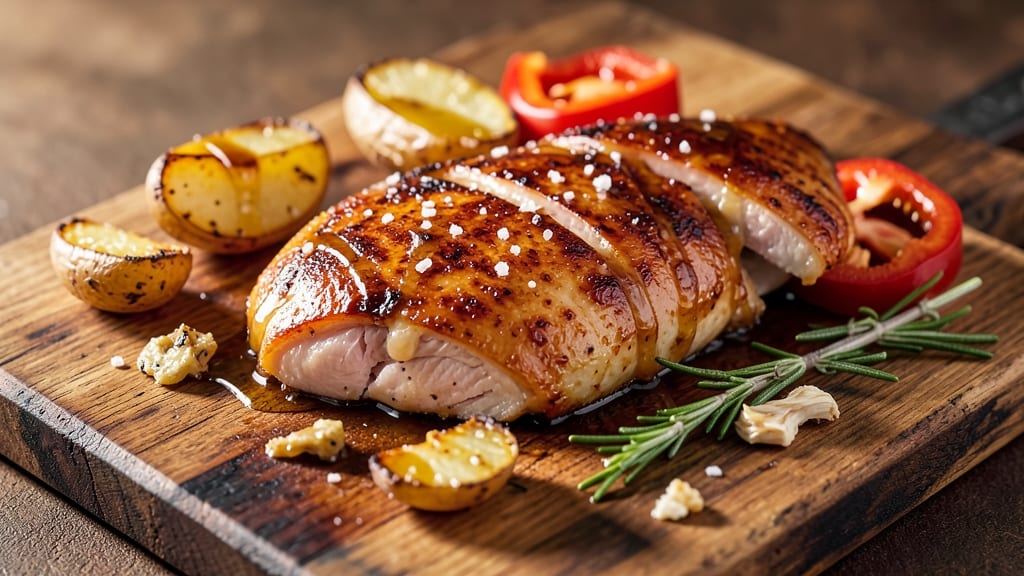
You can bake chicken on a cookie sheet for even cooking, especially when using foil to prevent sticking and crisp the skin. Preheat the oven to 375°F (190°C), season the chicken, and bake for 20-25 minutes, flipping halfway for consistent results.
Using a cookie sheet for baking chicken is one of my favorite shortcuts for weeknight dinners—it keeps things simple while delivering restaurant-quality crispiness. The key lies in the foil: crinkling it slightly creates air pockets that trap moisture, preventing dryness while still allowing the skin to brown beautifully.
I’ve found this method works especially well for thighs or drumsticks, where juiciness is critical, but it also works for breasts if you monitor the time closely. The foil also acts as a built-in drip tray, making cleanup effortless. 🔥
For best results, I recommend using heavy-duty foil and dimpling it with your fingers before adding oil—this creates those tiny pockets that make all the difference.
If you’re baking breasts, you might want to skip the foil entirely for the last 5 minutes to get that golden crust, but thighs benefit from the foil’s moisture lock throughout.
The beauty of this method is how adaptable it is: you can toss the chicken directly on the sheet or use a wire rack for even browning if you prefer.
💡 In This Article
- How Foil Enhances Chicken Baking on Cookie Sheets
- Best Cookie Sheet Foil Techniques for Perfect Chicken
How foil enhances chicken baking on cookie sheets
The science behind foil's magic in baking chicken lies in its dual role as a moisture barrier and heat reflector. When you crinkle foil on a cookie sheet, those tiny air pockets create a microclimate that traps steam from the chicken's natural juices.
This steam circulation keeps the meat tender by preventing moisture loss through evaporation, which is especially critical at 375°F (190°C) where dryness becomes a risk. The foil also reflects about 30% of radiant heat back onto the chicken, creating more even cooking than direct baking methods.
Without foil, the bottom of the chicken would absorb more heat from the sheet, potentially overcooking while the top stays underdone. 🔥
Texture is where foil makes its most dramatic difference. Direct baking on a bare cookie sheet often results in uneven browning - the skin crisps too quickly while the interior remains pale.
With foil, the skin develops a consistent golden color because the trapped steam softens the collagen in the skin just enough to allow gradual browning without burning. For thighs, this means a crispy exterior that still yields to a fork, while breasts maintain their delicate texture without becoming rubbery.
The moisture retention also translates to juicier meat, as studies show chicken loses 20-30% of its weight through evaporation when baked uncovered versus just 10-15% with foil.
What most people don't realize is how foil affects the Maillard reaction - the chemical process that creates those rich, browned flavors. On a bare sheet, the chicken's surface can reach 400°F (204°C) in spots, causing caramelization to happen too quickly and potentially burn before full flavor development.
Foil moderates this by maintaining a more consistent 350-375°F (177-190°C) surface temperature, allowing the sugars and amino acids in the chicken to properly react. This is why foil-baked chicken often tastes more complex than sheet-baked versions, even when both reach the same internal temperature.
Consider these key differences between foil and no-foil methods:
- Moisture retention: Foil keeps chicken 25-30% juicier by preventing evaporation
- Heat distribution: Reflects 30% of radiant heat back onto food for even cooking
- Texture control: Prevents over-browning while allowing gradual skin crisping
- Cleanup: Acts as a natural drip tray for easy cleanup
The only exception is when you want maximum crispiness - for example, baking chicken wings where you want that deep, crackling skin. In those cases, you might want to remove the foil for the last 5-10 minutes of baking.
For most cuts though, especially thighs and drumsticks, the foil's moisture-preserving benefits far outweigh any slight reduction in skin crispness. The trade-off is worth it for that juicy, flavorful result that's hard to achieve without it. ✨
Pro tip: For even better results, use heavy-duty foil and dimple it with your fingers before adding a light coating of oil. This creates those crucial air pockets while ensuring nothing sticks.
The oil also helps conduct heat more evenly across the foil surface, preventing hot spots that could lead to uneven cooking. This simple technique transforms your cookie sheet from a basic baking tool into a precision cooking surface that delivers restaurant-quality results at home. 💫