
Desserts
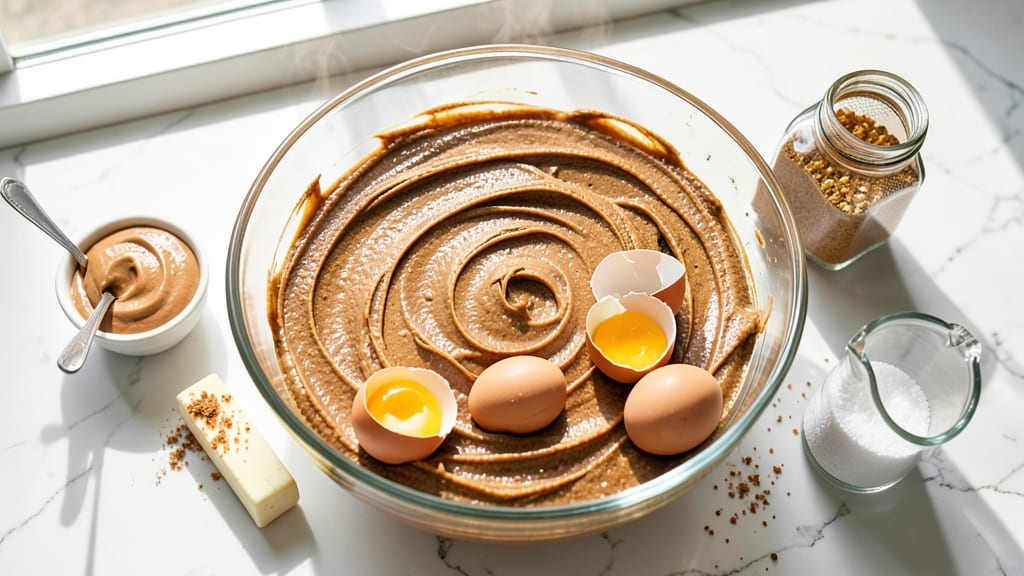
This Betty Crocker peanut butter cookie recipe without shortening keeps the iconic taste while upgrading the dough with butter and oil for a lighter, yet still rich and nutty bite.
I developed this version after years of testing, because traditional recipes often rely on shortening, which can be hard to find or less healthy. The secret is balancing melted butter with vegetable oil for that signature tender yet slightly crisp edge.
What makes this recipe work is the combination of creamy peanut butter, brown sugar, and a touch of vanilla, all mixed just until combined for maximum flavor distribution. Unlike many adaptations, this version doesn't compromise on taste—it delivers that classic Betty Crocker experience with a lighter, more adaptable approach.
The cookies spread slightly during baking, creating those signature edges while maintaining a soft, chewy center.
By the time they come out of the oven, you'll have golden-brown cookies with a rich peanut butter aroma that fills your kitchen. The texture is what you'd expect from a classic recipe—slightly crisp around the edges, tender in the middle, and packed with that familiar peanut butter goodness.
These cookies stay fresh for days, making them perfect for baking ahead or sharing with neighbors.
Whether you're looking to recreate a childhood favorite or simply want a foolproof peanut butter cookie recipe, this version delivers consistent results every time. The method is straightforward, the ingredients are simple, and the flavor is undeniably nostalgic—just without the need for shortening. Let's get baking!
Ingredients for betty crocker peanut butter cookie recipe without shortening
Simple pantry staples transform into nostalgic peanut butter cookies—no shortening needed.
| Ingredient | Amount | Notes |
|---|---|---|
| Creamy Peanut Butter 🥜 | 1 cup | Natural, unsweetened preferred |
| Unsalted Butter 🧈 | ½ cup | Melted, cooled slightly |
| Vegetable Oil 🫒 | ¼ cup | Light or neutral flavor |
| Packed Brown Sugar 🍯 | ¾ cup | Light or dark preferred |
| Granulated Sugar 🍚 | ¼ cup | For balanced sweetness |
| Large Eggs 🥚 | 2 whole | Room temperature preferred |
| Pure Vanilla Extract 🌿 | 1 tsp | High-quality preferred |
| All-Purpose Flour 🌾 | 1 ½ cups | Sifted, spooned lightly |
| Baking Soda 🧂 | ½ tsp | Pure, not baking powder |
| Salt 🧂 | ½ tsp | Fine sea salt preferred |
| Coarse Sugar 🍚 | ¼ cup | For topping, optional |
| Chopped Peanuts 🥜 | ½ cup | For garnish, optional |
The peanut butter is the heart of these cookies, so natural, unsweetened is ideal—it has that rich, creamy texture without extra sugar. Jif or Skippy work perfectly, but avoid the crunchy kind. The butter and oil combo replaces shortening, giving you that signature tender bite. Melt the butter first, then mix it with the oil while still warm—this helps distribute the fat evenly. For the sugars, light brown sugar adds moisture, while granulated keeps the texture balanced. If you're in a hurry, pack the brown sugar tightly to get the right measure. The vanilla? Pure extract makes all the difference—imitation just won’t cut it here.
No vegetable oil? Melted coconut oil works in a pinch, though it adds a slight flavor. Short on peanuts? Skip the topping or use crushed pretzels for a salty twist. The baking soda and salt are non-negotiable—they balance the sweetness and boost flavor. Diamond Crystal baking soda is my go-to, but any brand works. For the sugar topping, turbinado or raw sugar gives a nicer crunch than regular granulated. If you’re gluten-free, swap the all-purpose flour for a 1:1 gluten-free blend, but expect slightly denser cookies. The dough should be thick but manageable—if it’s too sticky, chill it for 30 minutes before scooping.
This dough keeps for 3 days in the fridge, wrapped tightly in plastic. For longer storage, freeze portions for up to 3 months—just thaw before baking. The baked cookies stay fresh for 5 days in an airtight container, though they’re best within 2. Store them at room temperature, stacked with parchment between layers to prevent sticking. For extra crunch, bake them a minute longer, but watch closely—they darken fast. These cookies reheat beautifully: 30 seconds in the microwave or 5 minutes at 300°F restores that fresh-from-the-oven warmth.
Why You'll Love This Recipe
- No-Fuss Mix-In: I swear by this recipe because it’s three ingredients max after the dry stuff—just creamy peanut butter, butter, and oil. No weird ratios, no measuring headaches. Honestly, I’ll often eyeball the peanut butter and call it a day.
- Rich Without Overpowering: That combo of brown sugar and granulated sugar? It balances the peanut butter’s boldness just right. The cookies stay soft in the middle but get that perfect chewy edge—like a hug from a bakery, but with less guilt.
- Packable Party Hero: Between us, these are my go-to for lunchboxes, teacher gifts, or last-minute potlucks. They hold up in containers for days, and the peanut butter flavor? Kids and adults both disappear them faster than you can say “second helping.”
- Budget-Friendly Batch: I make a double batch every time because they’re cheap to feed a crowd. Brown sugar and peanut butter stretch far, and the oil keeps costs down without sacrificing texture. Plus, leftovers? They’re the best kind—no one turns them down.
Step-by-step instructions for Betty Crocker peanut butter cookies without shortening
Here's how to create rich, nutty peanut butter cookies using just butter and oil for perfect texture.
Cream Butter, Peanut Butter, and Sugars Together
In a large mixing bowl, combine the 0.5 cup unsalted butter, 1 cup creamy peanut butter, 0.75 cup packed brown sugar, and 0.25 cup granulated sugar. Using an electric mixer on medium speed, beat the mixture for 3-4 minutes until it becomes light and fluffy. You'll notice the texture nearly double in volume and turn a pale golden color.
This creaming process is crucial—it incorporates air into the dough, which creates those signature crackly tops and helps the cookies spread just enough. If your mixture feels too thick, don't worry; the eggs and oil will help emulsify everything. I find using room-temperature butter makes this step easier, but if yours is cold, just give it a few extra minutes to soften first.
Add Eggs, Vanilla, and Wet Ingredients
Add the 2 whole large eggs, one at a time, mixing well after each addition until fully incorporated. Then add the 1 teaspoon pure vanilla extract and the 0.25 cup vegetable oil. Mix on medium speed for another 1-2 minutes until the mixture is completely smooth and homogeneous.
The oil helps create a tender crumb while maintaining moisture, and the eggs bind everything together. This is where the dough starts to come together—you should see it transform from a thick paste into a more cohesive batter. If it still looks slightly curdled, don't panic; the dry ingredients will help smooth it out in the next step.
Combine Dry Ingredients and Form the Dough
In a separate bowl, whisk together the 1.5 cups all-purpose flour, 0.5 teaspoon baking soda, and 0.5 teaspoon salt. Gradually add this mixture to the wet ingredients, mixing on low speed just until combined. Be careful not to overmix—you should still see some small flour streaks. Once incorporated, fold in the 0.5 cup chopped peanuts by hand using a rubber spatula.
At this stage, the dough will be thick and sticky. If it feels too soft to handle, chill it in the refrigerator for 15-20 minutes before proceeding. This makes rolling and cutting much easier. I like to use a silicone spatula to scrape down the sides of the bowl and ensure all the flour is fully incorporated.
Chill and Prepare for Baking
Cover the dough with plastic wrap and refrigerate for at least 1 hour or up to 24 hours. Chilling is essential—it firms up the butter and oil, which prevents excessive spreading in the oven. It also allows the flour to fully hydrate, resulting in a better texture. If you're short on time, you can freeze the dough for 30 minutes as a quick alternative.
While the dough chills, preheat your oven to 350°F and line two baking sheets with parchment paper. I like to use a cookie scoop to portion out 1-tablespoon-sized balls of dough, placing them 2 inches apart on the prepared sheets. If you prefer thicker cookies, use a 1.5-tablespoon scoop instead. Sprinkle each ball with a pinch of the 0.25 cup coarse sugar for added crunch.
Bake to Golden Perfection
Bake the cookies for 10-12 minutes until the edges are golden brown but the centers still look slightly soft. They'll continue to set as they cool, so don't overbake. If you notice the tops browning too quickly, tent the baking sheet with aluminum foil for the last 2-3 minutes of baking.
Remove the cookies from the oven and let them cool on the baking sheet for 5 minutes before transferring to a wire rack to cool completely. The centers should be soft and gooey, with a crispy exterior. For the best flavor, enjoy them warm or at room temperature. These cookies keep well in an airtight container for up to 5 days, though I doubt they'll last that long!
Pro Tips For Making Betty Crocker Peanut Butter Cookie Recipe Without Shortening
- Mix Peanut Butter Last: Add creamy peanut butter at the very end—after the butter, oils, and sugars have fully melted and combined. I learned this the hard way when my cookies turned out greasy and crumbly; the peanut butter needs to stay cool enough to hold the dough together.
- Use Room-Temp Butter: Let your unsalted butter sit out for 30-45 minutes before creaming—no microwave shortcuts. Cold butter pockets create uneven cookies, and this recipe relies on the fat to hold everything together. (Yes, even if you're impatient like me.)
- Pack Brown Sugar Tight: Don’t scoop your packed brown sugar—press it firmly into the measuring cup. Loose sugar means less moisture, and these cookies need that caramel depth. I used to skip this, and my cookies always tasted slightly dry.
- Chill Dough 24 Hours: Wrap the dough in plastic and refrigerate overnight—no exceptions. The flavors meld better, and the texture improves dramatically. (Your future self will thank you, even if you’re tempted to bake right away.)
Wine and beer pairings for betty crocker peanut butter cookie recipe without shortening
Creamy Beer Pairings
A light American lager like Miller Lite or Coors Light is my go-to pairing—its crisp, clean finish cuts through the richness of the peanut butter without overpowering the cookie's natural sweetness.
The subtle maltiness in these beers complements the caramel notes from the brown sugar, while the carbonation helps cleanse your palate between bites. 🍺
For a slightly bolder option, try a Belgian-style witbier like Hoegaarden. The citrusy coriander and orange peel notes in these beers create a refreshing contrast to the peanut butter's nuttiness, while the slight effervescence enhances the cookie's texture.
I like to serve this chilled to highlight its bright, zesty profile.
Rich Red Wine Options
A light-bodied red like Pinot Noir from Oregon or California pairs beautifully with these cookies. The wine's delicate fruitiness—think cherry and raspberry—echoes the caramelized edges of the cookies, while its acidity balances the richness. Look for a 2022 vintage with moderate tannins to avoid overwhelming the peanut butter's creaminess.
If you prefer something sweeter, a late-harvest Riesling from Germany or Washington State brings a touch of honeyed flavor that mirrors the brown sugar in the cookies. The wine's slight sweetness enhances the peanut butter's natural sweetness, creating a harmonious pairing that feels like dessert in a glass. 🍷
Coffee and Espresso
For an after-dinner treat, serve these cookies with a strong dark roast coffee or a shot of espresso. The bitterness in the coffee balances the sweetness of the cookies, while the creamy texture of the peanut butter dough creates a delightful contrast.
I like to add a splash of heavy cream to my coffee for extra richness that pairs perfectly with the cookies.
If you're a fan of cold brew, try serving it over ice with a drizzle of vanilla syrup to echo the vanilla extract in the cookies. The smooth, low-acid profile of cold brew won't compete with the peanut butter's flavor but instead enhances its natural sweetness.
This combo is perfect for a lazy afternoon or a cozy evening at home.
Non-Alcoholic Pairings
For a refreshing non-alcoholic option, try sparkling apple cider like Martinelli's. The bubbles and fruity notes complement the peanut butter's richness while adding a crisp, refreshing element. Serve it chilled for the best experience—it's especially great during warmer months or for families with kids.
Another fantastic choice is chilled hibiscus tea (also known as agua de Jamaica). The tart, cranberry-like flavor of the tea cuts through the sweetness of the cookies, while its vibrant color makes for a visually appealing presentation.
Brew it strong and serve it over ice with a squeeze of lime for extra zing. 💫
Nutrition facts
Frequently asked questions
Can I substitute butter for oil in this recipe?
The recipe uses both melted butter and vegetable oil for the best texture. Butter adds flavor while oil keeps cookies tender. If you must choose one, use 0.75 cups melted butter instead of oil—just reduce the butter by 0.25 cup to maintain balance. The cookies will be slightly richer but still delicious!
Why does my dough look too sticky?
Sticky dough happens when humidity or overmixing occurs. Chill the dough for 30-60 minutes to firm it up. If still sticky, add 1 tablespoon flour at a time until workable. Avoid overmixing—just combine until no dry spots remain. The dough should hold its shape when scooped.
How do I prevent cookies from spreading too much?
Chilling the dough for at least 1 hour is key—it firms the butter/oil. Use a 1-tablespoon scoop and place balls 2 inches apart on the baking sheet. Bake at 350°F for 10-12 minutes—don't overbake! A toothpick should have moist crumbs, not be clean.
Can I make these cookies vegan?
Yes! Replace the butter with 0.5 cup vegan butter or coconut oil, and use 2 flax eggs (2 tbsp ground flaxseed + 6 tbsp water). For the oil, use 0.25 cup vegetable oil (same as recipe). The texture will be slightly denser but still delicious. Test with a small batch first!
What’s the best way to store leftover cookies?
Store in an airtight container at room temperature for up to 5 days. For longer storage, freeze baked cookies for 3 months. Reheat in a 300°F oven for 3-5 minutes or microwave for 10-15 seconds to restore freshness. Layer with parchment paper to prevent sticking.