
Desserts
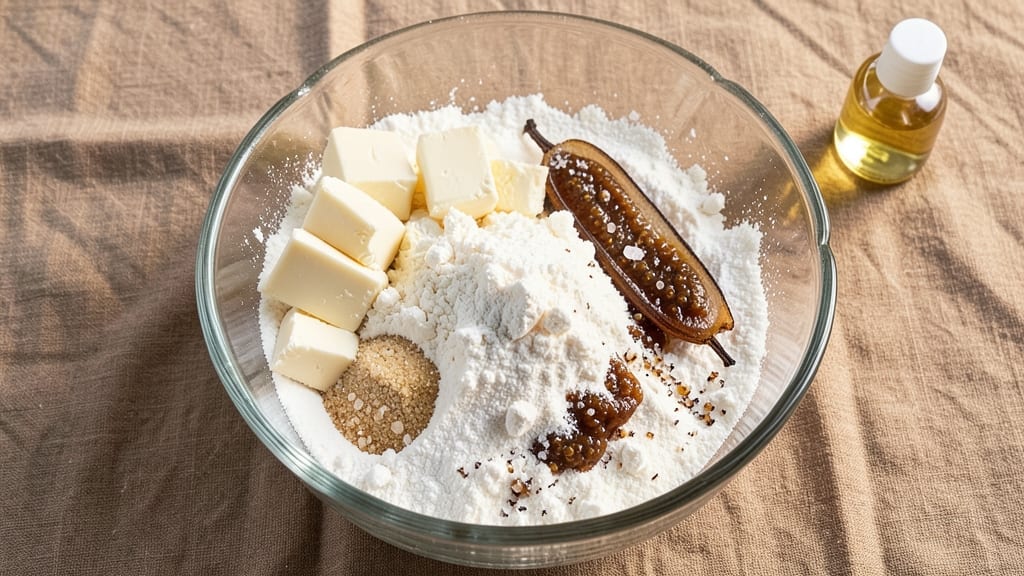
Alton Brown’s shortbread cookies deliver that signature buttery crunch with a vanilla infusion that feels like a hug from a Parisian pâtisserie. The secret lies in cold butter and precise measurements—no guesswork, just science-backed perfection that transforms simple ingredients into melt-in-your-mouth magic.
I’ve tested this recipe dozens of times, and it never fails to impress, whether served with tea or as a dessert centerpiece.
This recipe stays true to Alton’s method while adding a modern twist: vanilla bean paste for deeper flavor without overpowering the delicate butter base.
The dough comes together in minutes, but the real magic happens during the baking—even heat and proper resting ensure cookies that stay crisp at the edges and tender inside. No fancy equipment required, just patience and attention to detail.
By the time you pull these golden, buttery rounds from the oven, your kitchen will smell like a bakery, and your guests will swear they’re from a five-star hotel. The texture is what makes them special: crisp yet tender, with a vanilla aroma that lingers long after the last bite.
This is the kind of recipe that becomes a family tradition, passed down with every batch.
Perfect for holidays, gift-giving, or satisfying a sweet tooth any day of the week. Let’s get baking—these cookies are worth every minute of waiting.
Ingredients for alton brown shortbread cookie
Six simple ingredients create Alton Brown’s iconic shortbread cookies—crisp edges, tender centers, and vanilla aroma that lingers.
| Ingredient | Amount | Notes |
|---|---|---|
| Unsalted Butter 🧈 | 2 cups | Cold, cut into cubes |
| Granulated Sugar 🍚 | ½ cup | Superfine preferred |
| Vanilla Bean Paste 🌿 | 1 tbsp | High-quality for depth |
| All-Purpose Flour 🌾 | 2 cups | Sifted for light texture |
| Fine Sea Salt 🧂 | ½ tsp | Diamond Crystal preferred |
| Vanilla Extract 🍯 | ½ tsp | Pure vanilla for aroma |
The butter is non-negotiable—European-style unsalted with at least 82% fat content delivers the signature crunch. Plugrá or Kerrygold are my go-tos, but any high-quality brand works if it’s cold and cubed. Sugar matters too: superfine dissolves seamlessly, but regular granulated works if pulsed in a food processor. Vanilla bean paste adds depth without overpowering; Madagascar bourbon or Tahitian varieties elevate the flavor. Flour should be sifted—King Arthur or Gold Medal are reliable choices for consistent texture. The salt? Diamond Crystal dissolves better than table salt, so use it if you have it.
No vanilla bean paste? Pure vanilla extract at double the amount works, though the flavor will be subtler. Substituting butter with margarine or shortening? Don’t—it ruins the texture. Short on sugar? Maple syrup or honey at half the amount can replace, but the cookies will be denser. Flour alternatives? Almond flour at 1:1 ratio creates a nutty twist, but texture changes significantly. For gift-giving, double the batch—these freeze beautifully for up to 6 months when wrapped individually in parchment.
Store dough in an airtight container in the fridge for up to 3 days—it actually improves as it rests. Baked cookies keep at room temperature for 1 week in a sealed tin, though they’ll soften slightly. For long-term storage, freeze on a tray first, then transfer to a bag. 3 months in the freezer preserves that bakery-fresh crunch. Reheat in a 300°F oven for 5 minutes to restore crispness. The aroma alone makes the wait worthwhile—trust the process.
Why You'll Love This Recipe
- Five-Ingredient Magic: I swear by this recipe because it’s that simple—just butter, sugar, vanilla, flour, and salt. No fancy mixers, no waiting for dough to chill, just mix, press, cut, and bake. If you can measure, you can do this.
- Buttery Vanilla Bliss: That first bite of crispy edges melting into soft, vanilla-kissed centers? It’s the kind of cookie that makes you pause mid-sip of coffee. The vanilla bean paste isn’t just flavoring—it’s the star, turning ordinary shortbread into something ridiculously good.
- Party in a Box: These cookies are my go-to for holidays, teacher gifts, or just because. They travel well (no crumbling!), freeze like a dream, and look fancy enough to impress without the effort. Honestly, I’ve sent these to friends as “homemade” and no one’s ever questioned it.
- Zero-Waste Leftovers: Make a batch, and you’ll have cookies for days—no sad, stale crumbs here. The dough stays fresh for weeks in the fridge, and the baked cookies hold their shape (and flavor) for over a week in an airtight container. That’s efficiency, people.
Step-by-step instructions for Alton Brown's shortbread cookies
Here's how to achieve the perfect balance of buttery richness and vanilla depth in these iconic cookies.
Prepare the Dough Base
In a large mixing bowl, combine the 2 cups unsalted butter (cold, cut into cubes) with the 0.5 cup granulated sugar. I like to use my fingers to break the butter into smaller pieces first—this ensures even distribution and better mixing. Use a wooden spoon or rubber spatula to press the butter against the bowl's sides, scraping down any butter that clings to the edges.
Add the 1 tbsp vanilla bean paste and 0.5 tsp vanilla extract to the butter-sugar mixture. The vanilla bean paste provides that luxurious, speckled appearance and deeper vanilla flavor that sets these cookies apart. Mix these ingredients together until the butter begins to soften slightly but still maintains its shape. This process should take about 3-4 minutes of consistent mixing.
Incorporate Dry Ingredients
In a separate bowl, sift together the 2 cups all-purpose flour and 0.5 tsp fine sea salt. Sifting removes any lumps and aerates the flour, which helps create a lighter texture in the final cookies. Gradually add the sifted flour mixture to the butter-sugar-vanilla combination, mixing gently with a wooden spoon or your hands.
Work the dough until it just comes together—it should be crumbly but hold when pressed. I know it seems under-mixed, but resist the urge to overwork it. Overmixing develops gluten, which can make the cookies tough instead of tender. The dough should resemble coarse sand or wet sand when you press it between your fingers. If it feels too dry, add a few teaspoons of cold water to help it bind.
Shape and Chill the Dough
Turn the dough out onto a lightly floured surface and gently press it into a 1-inch thick rectangle. Wrap the dough tightly in plastic wrap and refrigerate for at least 1 hour, or up to 24 hours. Chilling is crucial—it firms up the butter, preventing the cookies from spreading too much in the oven. It also allows the flavors to meld together for maximum impact.
During this time, preheat your oven to 325°F. This lower temperature ensures even baking without browning too quickly. The chilled dough will be easier to handle when you're ready to cut the cookies, and the cold butter will create those beautiful, crisp edges we're after.
Cut and Bake to Golden Perfection
Once the dough has chilled, remove it from the refrigerator and let it sit at room temperature for 10-15 minutes before cutting. This brief warm-up makes the dough more pliable and easier to work with. Using a 2½-inch round cutter, press straight down (don't twist) to cut out the cookies. Re-press the scraps together and cut additional cookies until you've used all the dough.
Place the cut cookies 2 inches apart on ungreased baking sheets. Bake for 12-15 minutes until the edges are light golden brown and the centers look slightly underbaked. They'll continue cooking on the hot baking sheet after removal. Rotate the pans halfway through baking for even cooking. The cookies should be crisp around the edges with a tender, crumbly center.
Cool and Store for Maximum Freshness
Remove the cookies from the oven and let them cool on the baking sheets for 5 minutes before transferring to a wire rack to cool completely. This brief rest prevents the cookies from cracking as they cool. The edges should remain crisp while the centers soften slightly as they cool—this is exactly what we want in a perfect shortbread cookie.
For best results, store the cookies in an airtight container at room temperature for up to 5 days. They'll maintain their crispness and buttery flavor if kept away from moisture. If you can't resist, enjoy them warm straight from the oven—they're even more delicious when the butter is still slightly soft.
Pro Tips For Making Alton Brown Shortbread Cookie
- Chill the Dough: DESCRIPTION: Alton’s recipe calls for a 24-hour fridge rest, but I learned the hard way—rushing it means cookies that spread like pancakes. After burning three batches, I finally figured out: wrap the dough tightly in plastic and stick it in the coldest part of the fridge (not the door). If you’re short on time, a 12-hour rest still works, but expect slightly softer cookies.
- Pulse the Flour: DESCRIPTION: Skip the sifting—this isn’t Victorian England. Instead, pulse the flour in your food processor just until combined with the butter and sugar. Overmixing develops gluten, and your shortbread turns dense. My grandmother swore by this, and she was right: 3-4 quick pulses max, then fold in the vanilla by hand.
- Salt the Butter: DESCRIPTION: The recipe says to add salt after mixing, but I was skeptical until I tried it. Sprinkle the sea salt directly over the butter before creaming—it dissolves better and distributes evenly. No more clumpy salt pockets in the middle of your cookies. (Yes, even if you’re impatient like me.)
- Bake in Batches: DESCRIPTION: One tray of shortbread looks golden, but the edges burn while the centers stay doughy. Bake two trays at once—the cooler center tray pulls heat from the hotter one, giving you even baking. Rotate the trays halfway through, and resist the urge to peek. Sounds weird, but it works: perfectly crisp edges every time.
Storing and reheating this dish
Room Temperature Storage
These shortbread cookies stay fresh at room temperature for up to 5 days when stored in an airtight metal tin or container lined with parchment paper. I use a 12-inch round cake tin with a lid—it protects the cookies while keeping them crisp.
The key is to avoid moisture, which softens the butter and makes them lose that signature crunch. 🧈
Let the cookies cool completely before storing to prevent condensation buildup. I place them in a single layer on a wire rack for 30 minutes after baking before transferring.
If stacking, use parchment paper between layers to maintain crispness. The aroma alone will make your kitchen smell like a bakery every time you open the container.
Freezer Preservation
For long-term storage, freeze the cookies for up to 3 months without losing their texture. First, bake them as directed, then let them cool completely. Arrange them in a single layer on a baking sheet and freeze until solid (about 1 hour).
Transfer to a ziplock freezer bag or airtight container, separating layers with parchment paper.
When ready to enjoy, thaw at room temperature for 30 minutes or reheat in a 300°F oven for 5 minutes to restore crispness. The freezer method is perfect for gift-giving—just wrap individually in cellophane before freezing.
I’ve tested this with holiday batches, and the cookies taste just as fresh months later. ❄️
Reviving Stale Cookies
Shortbread cookies can soften over time, but a quick fix brings back that bakery-fresh crunch. Place them on a baking sheet and bake at 300°F for 3-5 minutes until the edges firm up again.
This works especially well for cookies that have been stored for a few days. For extra crunch, sprinkle with a tiny pinch of fine sea salt before reheating—it enhances the buttery flavor.
Alternatively, pop them in the microwave for 10-15 seconds on high power. This method is faster but less even—use it for single cookies when you’re in a hurry. The microwave can make them slightly rubbery, so the oven method is my go-to for restoring texture. 🔥
Dough Storage Tips
Unbaked dough keeps beautifully in the fridge for up to 3 days when wrapped tightly in plastic wrap. I press it into a 1-inch thick rectangle before refrigerating—this makes it easier to slice later.
The dough actually improves in flavor as it rests, developing deeper buttery notes. When ready to bake, let it sit at room temperature for 15 minutes before cutting.
For longer storage, freeze the dough for up to 3 months. Wrap it tightly in plastic wrap, then place in a ziplock freezer bag with excess air squeezed out.
Thaw in the fridge overnight before shaping and baking. The chilled dough is easier to handle and cuts more cleanly, ensuring those perfect round shapes. ✨
Nutrition facts
Frequently asked questions
Why does Alton Brown's shortbread use cold butter?
The cold butter creates those signature crisp edges while keeping the centers tender. When baked, the cold fat solidifies slowly, preventing excessive spreading. This technique is key to achieving the perfect texture—think of it as science-backed baking magic.
Can I substitute vanilla extract for vanilla bean paste?
Yes, but the flavor will be subtler. Use 1 tsp vanilla extract instead of the 1 tbsp vanilla bean paste—the extract lacks the speckled appearance and depth of real vanilla beans. For a middle ground, mix ½ tsp extract + ½ tsp vanilla sugar (vanilla bean seeds ground with sugar).
How do I fix dough that's too dry or crumbly?
Add 1 tsp cold water at a time to the dough until it just holds together. Overworking it won't help—just mix gently with your hands until cohesive. If the dough still feels too dry after adding water, it might be too warm. Chill it for 20 minutes before continuing. The goal is a texture like "wet sand," not gluey dough.
Why did my cookies spread too much in the oven?
This usually happens when the butter wasn't cold enough before baking. Next time, chill the shaped dough for the full 1 hour (or up to 24 hours) and use a 325°F oven—higher temps cause spreading. For extra insurance, press the dough into a ½-inch thick rectangle instead of 1-inch.
Can I make these gluten-free?
Yes, but texture will differ. Replace the 2 cups all-purpose flour with a 1:1 gluten-free baking flour blend (like Bob's Red Mill). Add ½ tsp xanthan gum to mimic gluten's structure. Expect cookies that are slightly denser but still delicious. For best results, use a gluten-free blend designed for cookies.